
The Use of Filters in Machine Vision Systems
Optical filters are critical components in machine vision applications. They are used to maximize contrast, improve color, enhance the recognition of objects under inspection, and control the light reflected from the objects.
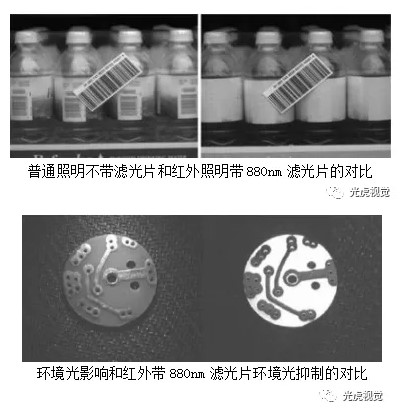
Filters in vision systems can increase the contrast of objects under inspection, thereby enhancing the system's ability to distinguish the desired features. Higher contrast can lead to improved detection accuracy and speed. By using filters, the influence of ambient light or its potential variations over time is minimized, creating conditions for long-term stability in the operation of vision systems.
Typical Applications:
- Selection of predetermined colors
- Color suppression
- Suppression of ambient light
- Use with infrared light sources
- Use with ultraviolet light sources
- Polarization of light
- Reduction of interference from other colored light sources
Filters for Infrared LED Illuminators
These filters are used in all near-infrared applications to block visible light wavelengths. Bandpass filters with wavelengths typically ranging from 808nm, 850nm, 880nm, 905nm, 940nm to 1065nm are commonly used. Typical applications include eliminating or suppressing the adverse effects of ambient light or analyzing specific features of objects highlighted by infrared illumination.
Filters for Red LED Illuminators
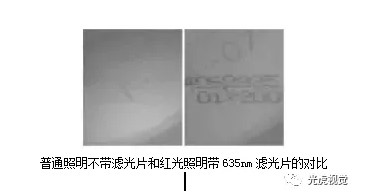
These filters are used in all applications where there are red illuminators or specific color characteristics of white-light illuminated objects need to be selected. Bandpass filters with wavelengths typically ranging from 625nm to 635nm are commonly used. Typical applications include eliminating or reducing the adverse effects of ambient light or analyzing specific features of objects highlighted by red illumination.
Filters for Green LED Illuminators
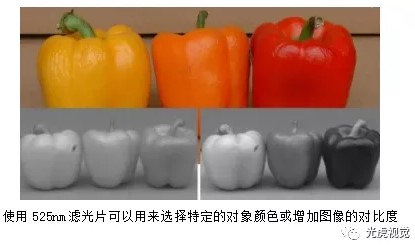
These filters are used in all applications where there are green illuminators or specific color characteristics of white-light illuminated objects need to be selected. Bandpass filters with wavelengths typically around 525nm are commonly used. Typical applications include eliminating or reducing the adverse effects of ambient light or analyzing specific features of objects highlighted by green illumination.
Filters for Blue LED Illuminators
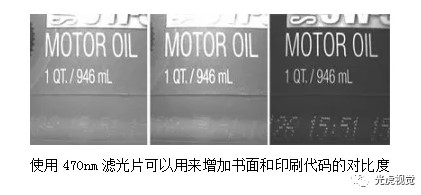
These filters are used in all applications where there are blue illuminators or specific color characteristics of white-light illuminated objects need to be selected. Bandpass filters with wavelengths typically around 470nm are commonly used. Typical applications include eliminating or reducing the adverse effects of ambient light or analyzing specific features of objects highlighted by blue illumination.
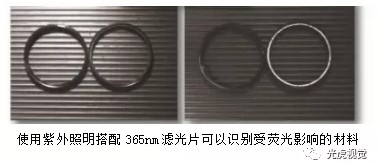
Filters for Ultraviolet LED Illuminators
These filters are used in all applications requiring ultraviolet light illuminators. Wavelengths typically around 365nm are commonly used. Typical applications include eliminating or reducing the adverse effects of ambient light or analyzing specific features of objects highlighted by the illumination (fluorescent effects).
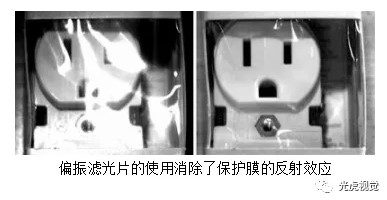
Polarizing Filters for Visible LED Illuminators
Typical applications include eliminating or reducing the adverse effects caused by reflection or glossy objects.
FALenses Technology specializes in providing machine vision core hardware. You can go to the official website of FALenses Technology at https://www.falenses.com/ for more information.