
Glue Detection Case
Experimental Requirements
- Detect whether the glue is cracked or uneven.
- Identify the difference between this glue and other types of glue.
- Use static imaging.
Given that the glue contains fluorescent components, a UV ring light source was used. Ultraviolet light can reflect the fluorescent components within the glue, making its completeness clearly visible.
Lighting Effect After Illumination
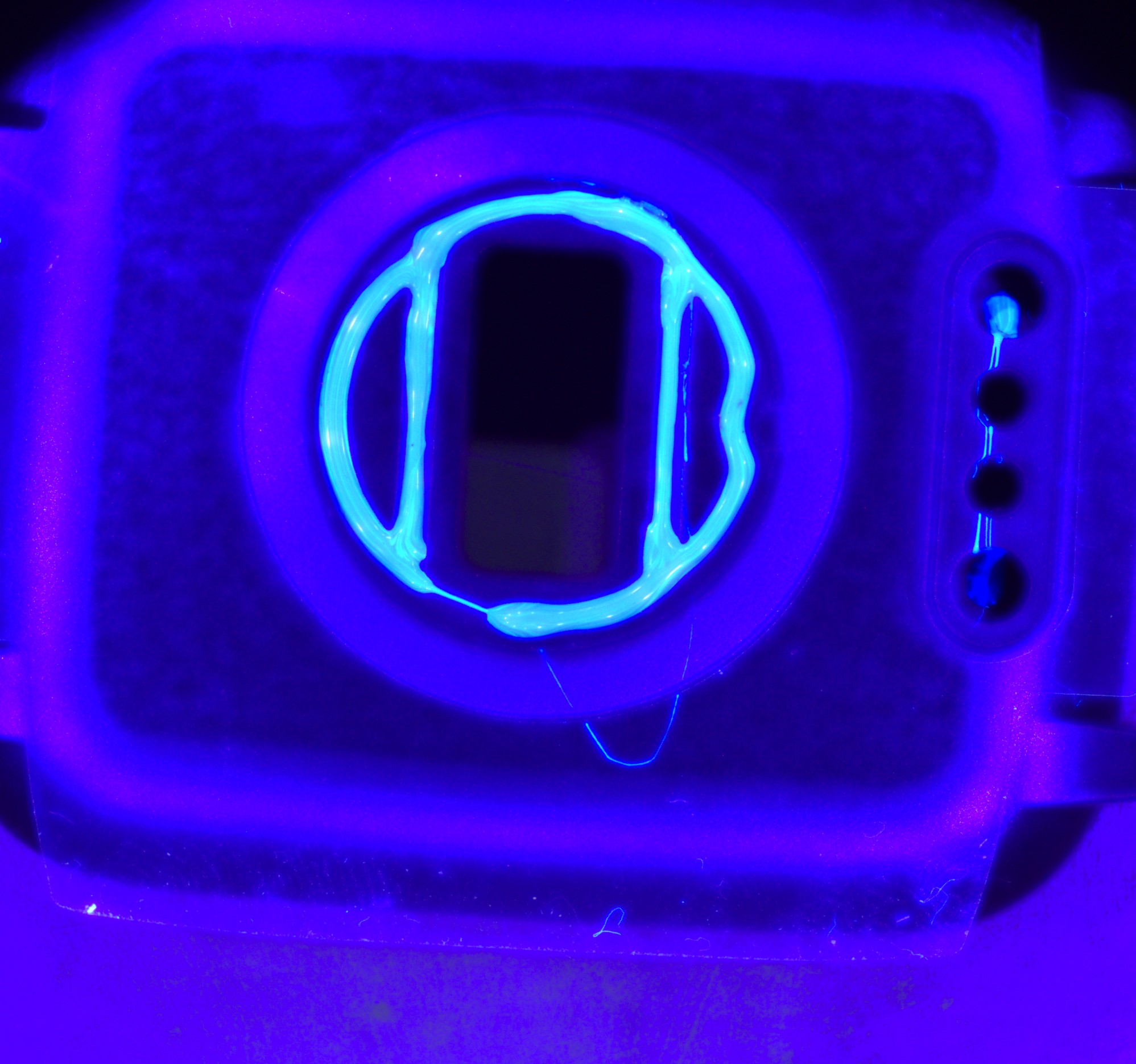
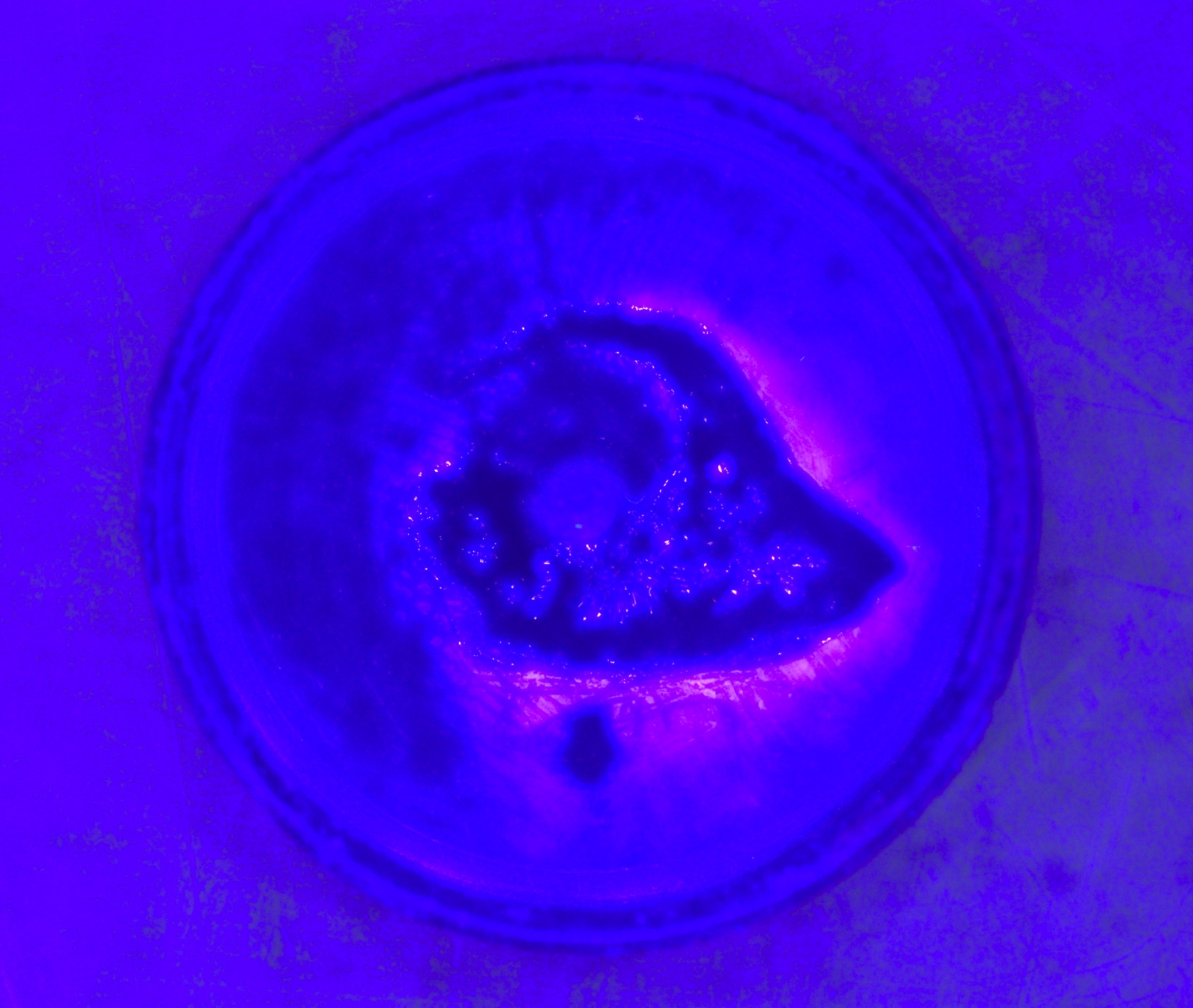
- Glue with Fluorescent Components: The UV light reveals the fluorescence, allowing for easier detection of cracks or inconsistencies.
- Glue without Fluorescent Components: Without UV light, it's more challenging to detect the glue's completeness.
Detection Summary
- Lighting for Glue Detection: Determine if the glue is uneven or cracked.
- Static Imaging: This setup involves static photography.
- Use UV Light for Comparison: Compare the effects of UV light with ordinary glue to detect any discrepancies.
General Light Source Selection Process
- Understand Project Requirements: Define the detection or measurement goals.
- Analyze the Target and Background: Determine the optical phenomenon with the greatest contrast between the target and background.
- Determine Light Source Type and Color: Choose the light source type and color based on the relationship between the light source and the target.
- Test with Actual Light Sources: Conduct tests to determine the ideal lighting setup.
- Adapt to Site Conditions: Ensure the setup aligns with real-world conditions of the inspection site.
FALenses Technology specializes in providing machine vision core hardware. You can go to the official website of FALenses Technology at https://www.falenses.com/ for more information.