
Defect Detection on Highly Reflective Metal Workpieces
Metal Workpieces
Metal workpieces are indispensable components in manufacturing industries. Surface defects not only affect aesthetics but also impact the performance and safety of the workpieces. Due to the smooth surface and high reflectivity of these workpieces, both manual and machine inspections face significant challenges in feature extraction.
Case Study: Surface Defect Detection on Highly Reflective Metal Workpieces
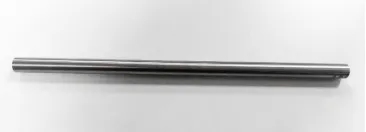
Project Requirements: Metal Rods The customer's product to be inspected is a titanium alloy rod, with a length of 215mm and a diameter of approximately 10mm. The inspection is required to detect surface defects such as cracks, pits, scratches, and oxidation on the surface of the product. The inspection process involves the product passing in a straight line, with a required speed of >6 meters per minute.
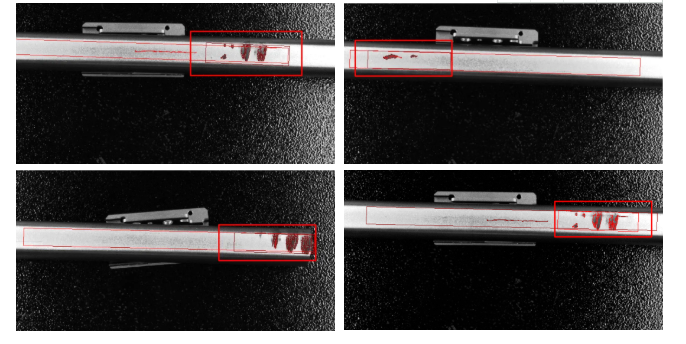
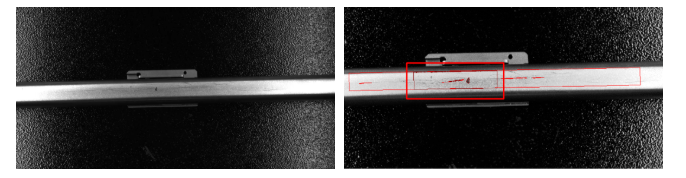
Surface defects on cylindrical metal parts exhibit randomness and diversity, while the distribution of surface textures on metal parts is irregular. During defect detection, interference is easily caused, leading to the presence of significant specular highlights in the workpiece images. This results in the extraction of numerous false target defects, ultimately leading to false alarms.
FALenses Technology specializes in providing machine vision core hardware. You can go to the official website of FALenses Technology at https://www.falenses.com/ for more information.