
Global Agents Wanted! Join us to share market opportunities. Comprehensive training, technical support, and attractive incentives provided. Act now for a brilliant future! Contact email: partners@falenses.com
Tips for Selecting Machine Vision Light Source Colors
Choosing the appropriate light source color for a machine vision system is critical for its performance. Different light source colors can affect image contrast, details, depth, and more. Here are some tips for selecting light source colors:
1. Consider the Characteristics of the Target Object
- Material and Surface Characteristics: Select the light source color based on the material and surface characteristics of the target object. White light is typically used for general scenes, while red, blue, or green light might be more suitable for specific materials.
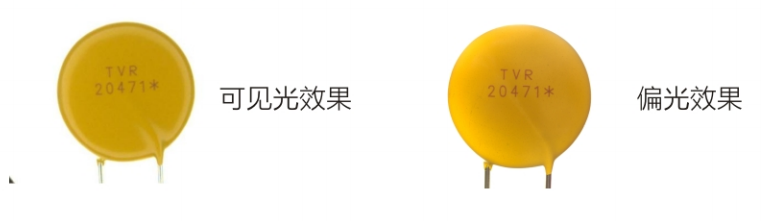
- Texture and Surface Reflection: Some light source colors can reduce unwanted reflections, particularly for reflective surfaces.
2. Highlight Desired Features
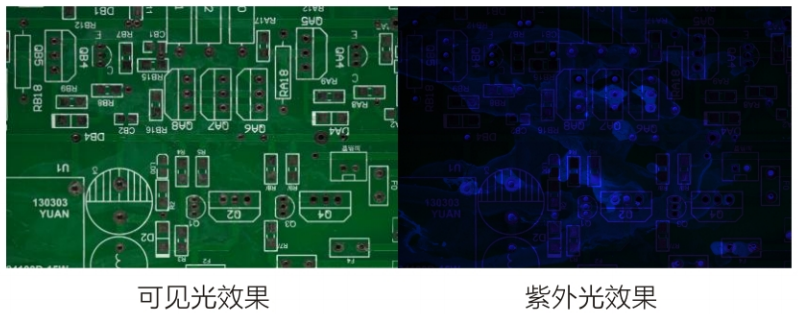
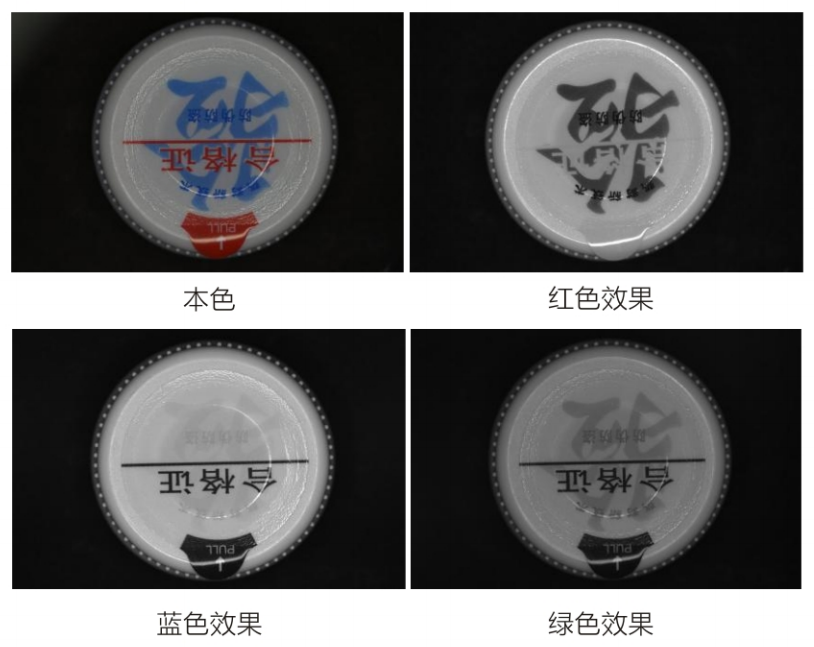
- Enhance Contrast: Certain colors can enhance the contrast between the object and the background. For objects with complex textures, a color that highlights details may be required.
- Distinguish Background from Foreground: Using different light source colors can make it easier to distinguish the foreground from the background.
3. Environmental Light and Interference
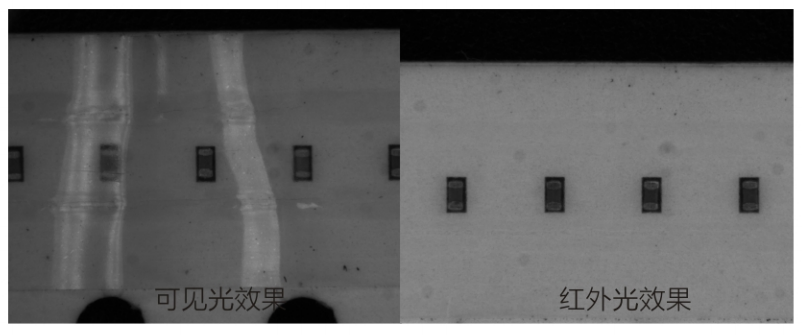
- Reduce Environmental Light Interference: In environments with strong ambient light, using a light source color different from the ambient light can reduce interference.
- Resistance to Interference: Some light source colors are better at resisting interference. Choosing the right light source color can improve detection accuracy.
4. Common Light Source Colors and Their Uses
- White Light: Suitable for most applications, providing a natural lighting effect.
- Red Light: Ideal for detecting surface defects and edges, with minimal glaring reflections.
- Blue Light: Performs well in liquid detection and transparent object inspection.
- Green Light: Often used to enhance contrast, especially on certain surface materials.
5. Specific Application Requirements
- High-Contrast Scenes: Choose the light source color based on the specific detection needs. For example, in backlighting detection, red light is often used to emphasize contours, while white light is typically used for front lighting.
- Image Processing and Algorithms: When selecting a light source color, consider how the image processing algorithms respond to color. Some algorithms are more sensitive to specific colors.
Conclusion
Selecting the color of a machine vision light source requires consideration of multiple factors, including the characteristics of the target object, detection requirements, ambient light, and resistance to interference. When choosing a light source color, these factors should be considered to ensure optimal detection results.
FALenses Technology specializes in providing machine vision core hardware. You can go to the official website of FALenses Technology at https://www.falenses.com/ for more information.