
Purpose of Vision Light Controllers
Vision light controllers are distinct from regular controllers, designed specifically for machine vision lighting. They manage and regulate lighting sources used in machine vision applications, controlling the brightness and on/off states, among other functionalities. A good controller can extend the lifespan of light sources and provide precise control over the lighting environment. Here's an overview of different types of vision light controllers and their roles in various contexts:
Types of Vision Light Controllers:
1. Constant Current Controller
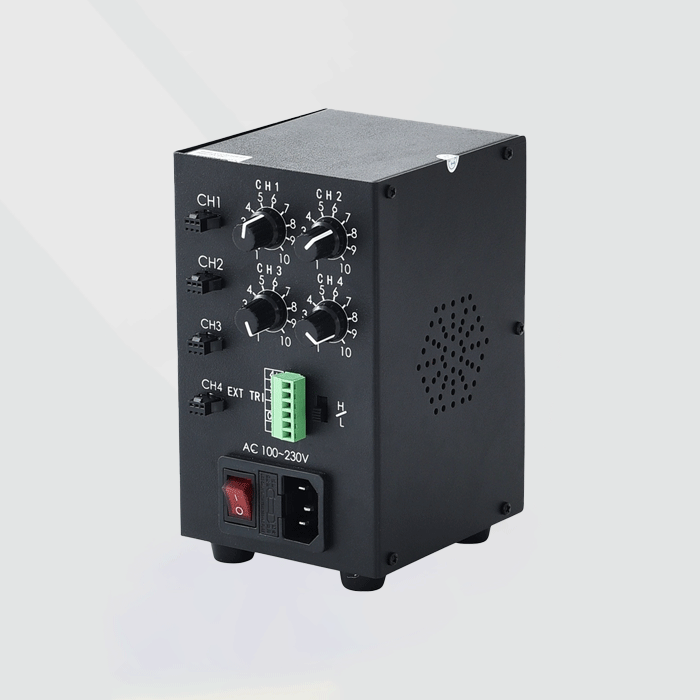
The constant current controller uses voltage control to offer stepless regulation of illumination intensity for light sources. It ensures stable performance and has a high output current capacity, making it ideal for machine vision applications.
- Applications: Ideal for providing stable and adjustable lighting for a wide range of machine vision tasks.
2. Analog Controller
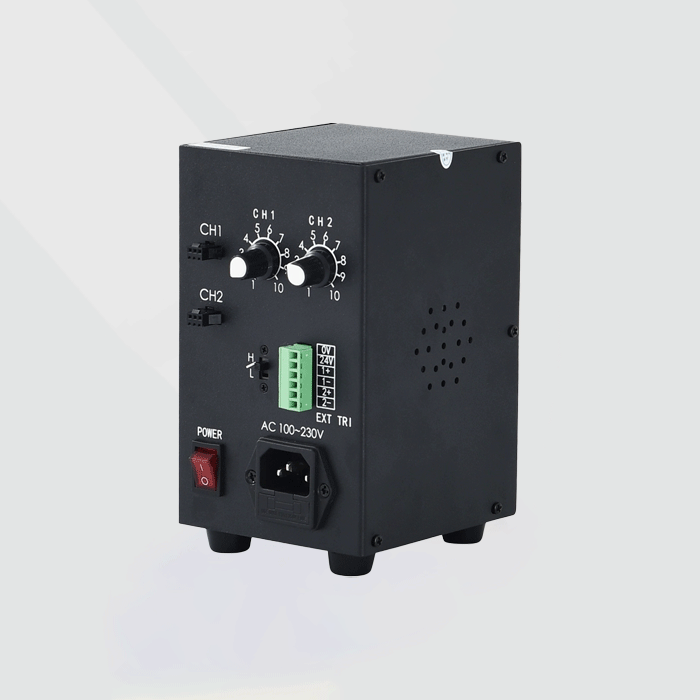
Analog controllers also use voltage control but provide higher output currents, allowing for flexible light source customization. They often come with additional features like standard voltage outputs for powering other equipment.
- Applications: Suitable for providing consistent lighting and high power for various machine vision systems.
3. Digital Display Controller
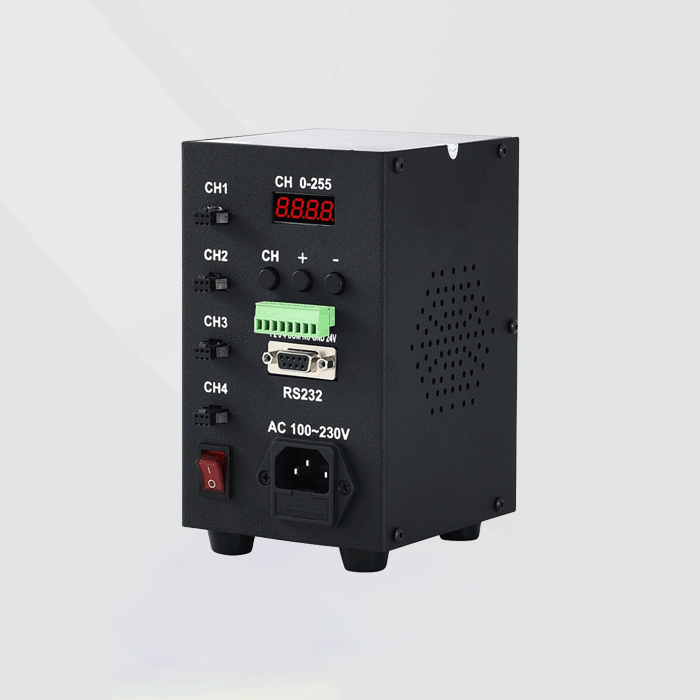
Digital display controllers offer high-precision brightness control, allowing for fine-tuning of light intensity. They can support continuous lighting or strobing and provide advanced features like serial communication for remote control.
- Applications: Ideal for applications requiring precise control over brightness, such as advanced machine vision systems.
4. High-Power Controller
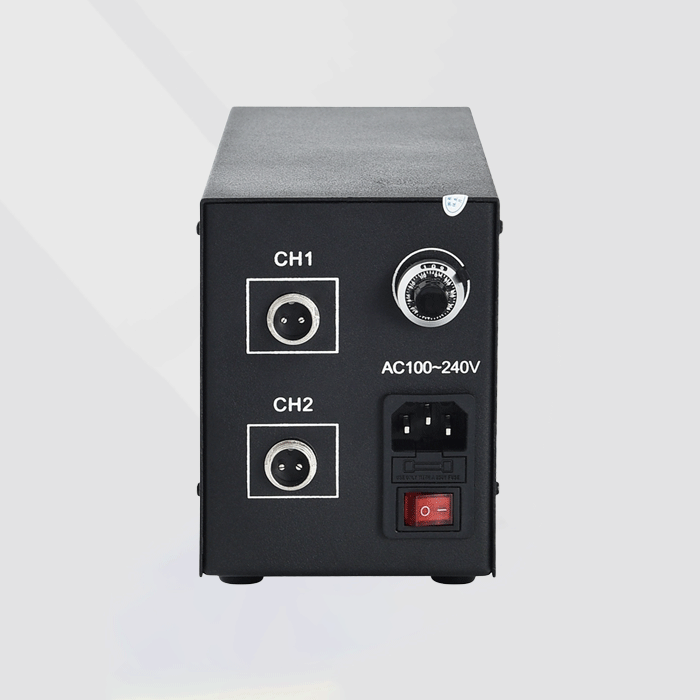
High-power controllers are designed to handle higher output currents, providing stable voltage with large single-channel power capacities. They are easy to use and highly flexible.
- Applications: Best suited for high-power light sources, allowing for smooth and stepless adjustment.
5. Strobe Controller
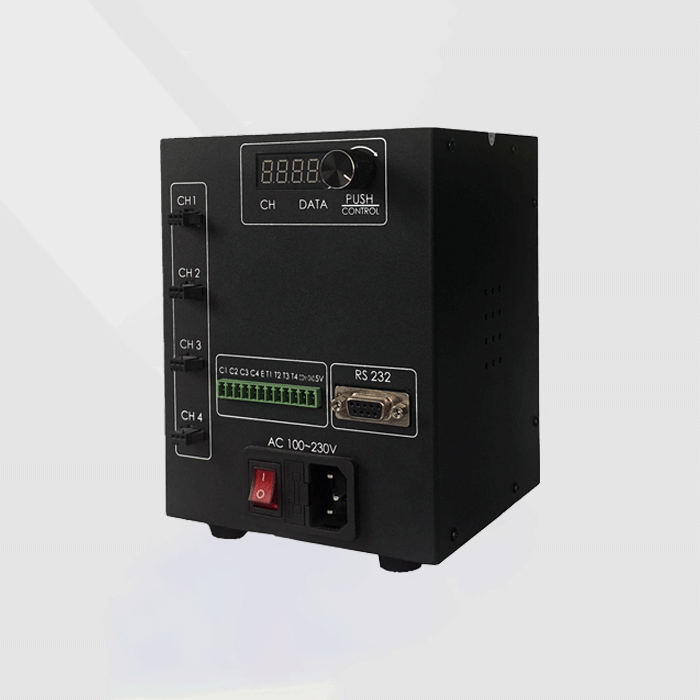
Strobe controllers are high-performance controllers that control LED light sources with pre-set pulse widths to create strobe effects. They can produce higher voltages than standard controllers to increase LED light source brightness while limiting the duration to prevent overheating.
- Applications: Ideal for applications requiring strobing, where high-intensity, short-duration lighting is needed.
6. Time-Division Controller
These controllers are designed for multi-station applications, offering wide voltage input and multiple control modes, including continuous lighting, strobing, external level triggering, and switching modes. They are highly precise and suitable for high-accuracy imaging tasks.
- Applications: Well-suited for multi-position, high-precision imaging with line and area array cameras.
7. High-Precision Point Light Strobe Digital Controller
This controller is a high-precision digital controller with unique features like Ethernet communication, external trigger control, high timing accuracy, and independent channel inputs and outputs.
- Applications: Perfect for applications requiring precise timing control and synchronization in machine vision systems.
Conclusion:
Vision light controllers are essential components in machine vision systems. They provide the means to control lighting intensity, strobing, timing, and other critical parameters. Choosing the right controller depends on the specific requirements of your machine vision application, such as the type of lighting, power needs, precision requirements, and communication capabilities. Each type of controller serves a unique role and can significantly impact the performance and reliability of a machine vision system.