
Detection Scope of Industrial Ring Lights in China
Ring lights are a common lighting source in machine vision inspection, valued for their versatility in a wide range of automated inspection tasks. Let's examine the detection scope of ring lights in industrial applications and why they are so widely used in machine vision.
Ring lights are available in various angles and colors, and they can include a diffuser to provide softer, more uniform lighting. Using a special structure with an ultra-thin flexible substrate, ring lights can emit light from all directions, allowing for even illumination. The CCD camera can capture the characteristics of the object being inspected through the center of the ring light.
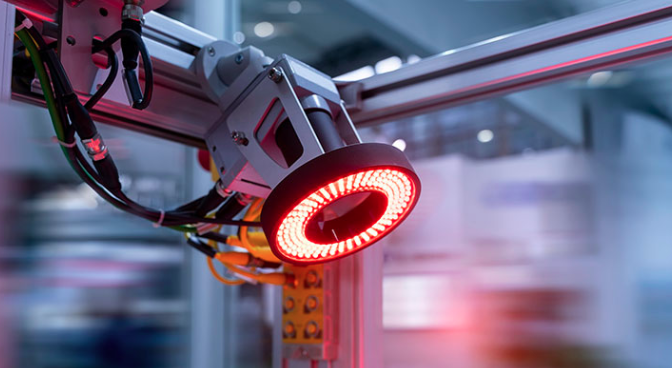
Here is the detection range for ring lights:
1. External Defect Detection
Ring lights are used to identify surface defects, scratches, or blemishes on various products.
2. Metal Edge Positioning
They are ideal for positioning and inspecting the edges of metal components to ensure precision and accuracy.
3. General Appearance Inspection
Ring lights are widely used in general appearance inspections to detect surface inconsistencies, anomalies, or variations.
4. Electronic Component Inspection
They are suitable for inspecting electronic components, ensuring proper assembly, and identifying defects.
5. PCB Circuit Board Character Detection
Ring lights can be used to inspect the characters and markings on PCB circuit boards, ensuring they meet quality standards.
Customization Options
Ring lights can be customized based on the required angle, color, and size, offering flexibility to suit different inspection needs. This adaptability allows for efficient inspection of various workpieces, whether large or small, without worrying about light sources that are not fit for purpose or that lead to unnecessary costs.
If you need assistance choosing the right ring light, FALenses Technology provides a testing laboratory where you can test different lighting setups to determine the optimal solution for your specific application. This approach helps you save time, money, and effort by ensuring you choose the right lighting configuration for your needs.