
Factors Contributing to Instability in Machine Vision Inspection Systems
Machine vision inspection systems play a crucial role in automated quality control and industrial processes. However, achieving reliability and stability in these systems can be challenging due to various factors. Let's explore the key contributors to instability in machine vision inspection systems and how to address them to ensure consistent performance.
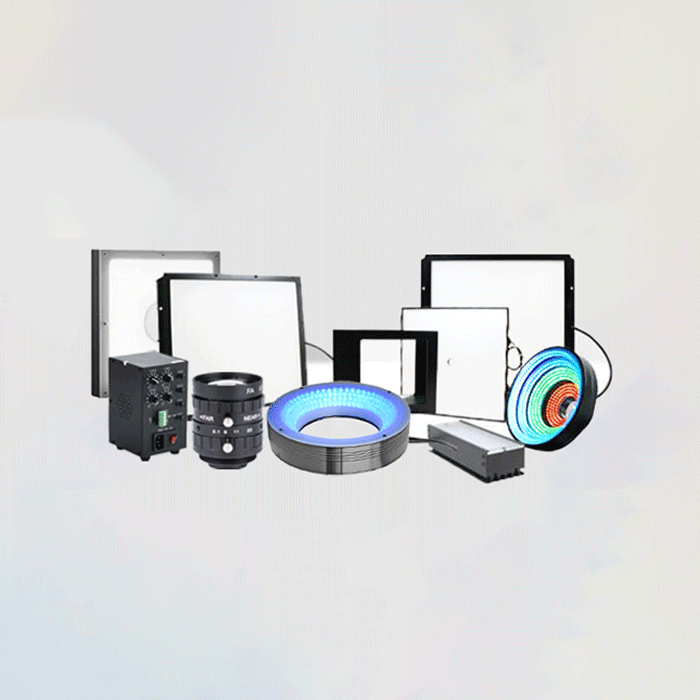
1. Industrial Camera
The industrial camera is a central component of a machine vision system. Its characteristics, such as sensor type, resolution, and frame rate, significantly impact the quality of visual data.
- Sensor Type: CCD and CMOS sensors have different strengths and weaknesses in terms of sensitivity, noise, and speed.
- Resolution: Higher resolution allows for more detailed inspection but requires more processing power.
- Frame Rate: A higher frame rate is crucial for high-speed inspections.
Additionally, the lens choice affects focus, depth of field, and geometric distortion, all of which can introduce errors into the system.
2. Lighting
Lighting is a critical aspect of machine vision systems, as it can either enhance or obscure important features in the image. Proper lighting selection and configuration are crucial for consistent results.
- Type of Light Source: The choice between ring lights, bar lights, coaxial lights, and others depends on the inspection task.
- Light Intensity and Uniformity: Uneven lighting can lead to inconsistent results.
- Installation and Illumination Methods: The position and angle of lighting relative to the object can affect image quality.
3. Software and Algorithms
The software used for image processing and analysis plays a key role in machine vision systems. Different algorithms and processing techniques can yield varying results.
- Algorithm Complexity: Complex algorithms may provide more detailed analysis but can be slower and require more resources.
- Detection Methods: Different detection methods, such as edge detection or pattern recognition, can lead to varying levels of accuracy.
- Computation Power: The processing power of the computer running the software impacts the speed and efficiency of the system.
4. Environmental Factors
The operating environment can significantly impact the stability of a machine vision system. Environmental factors to consider include:
- Temperature: Extreme temperatures can affect camera sensors and electronic components.
- Ambient Light: External lighting sources can interfere with controlled lighting conditions.
- Dust and Humidity: These factors can affect lens clarity and electronic components.
- Electromagnetic Interference: EMI can cause disruptions in electronic signals.
Conclusion
To ensure the reliability and stability of a machine vision system, it's crucial to consider the above factors. Proper selection of industrial cameras, lighting, and software, along with careful consideration of the operating environment, will help minimize instability. Companies like FALenses Technology offer expertise in machine vision systems and can provide guidance on optimizing system stability and reliability, ultimately leading to improved accuracy and efficiency in inspection processes.
FALenses Technology specializes in providing machine vision core hardware. You can go to the official website of FALenses Technology at https://www.falenses.com/ for more information.