
8 Essential Tips for Lighting in Machine Vision
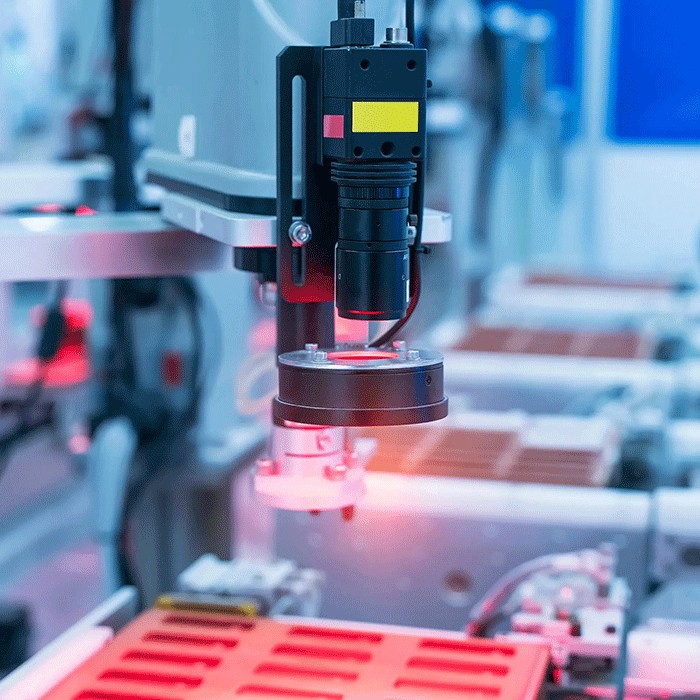
Lighting plays a crucial role in machine vision inspection, directly impacting the quality and accuracy of results. Here are eight essential tips for lighting in machine vision that can help you optimize your inspection process:
1. Use High-Brightness Light for Material Defect Detection
High-brightness lighting is ideal for detecting defects in materials. For example, in plastic molding, high-brightness light can help identify imperfections or inconsistencies.
2. Use Specific Wavelengths for Precise Positioning
Different wavelengths can be used to highlight specific features. For example, blue light may be used for detecting flip chips, while certain wavelengths can be used to ensure proper component orientation in PCB assembly.
3. Use Non-Diffused Light for Scratch Detection on Glass
Non-diffused light sources are effective for detecting scratches on glass surfaces. This type of lighting helps to bring out surface imperfections clearly.
4. Use Diffused Light for Transparent Packaging
For inspecting transparent packaging, such as blister packs, diffused light helps create even illumination, allowing for the accurate detection of internal contents without reflections.
5. Use Contrasting Colors to Create Contrast
Using contrasting light colors can enhance image features. For example, if you want to darken red-colored features, use green light. Conversely, green light can make green features appear brighter, improving contrast.
6. Use Strobe Lights for Fast-Moving Objects
When inspecting fast-moving objects, strobe lights can help reduce motion blur, providing clear and sharp images. This technique is useful for high-speed inspections.
7. Use Infrared Light to Eliminate Reflections
Infrared (IR) light can help eliminate reflections caused by ambient lighting. IR light is particularly effective in environments with bright reflective surfaces, allowing for more consistent image capture.
8. Use Infrared Light to Eliminate Color Variation
IR light can also be used to eliminate color variations between colored objects. This is especially useful when detecting grayscale differences, as it can reduce inconsistencies caused by color or shadow changes.
By following these eight tips, you can significantly improve the effectiveness of your machine vision inspection system, leading to better accuracy, reliability, and consistency in your inspection processes. Companies like FALenses Technology can offer guidance and free lighting tests to help you choose the right lighting setup for your specific application.
FALenses Technology specializes in providing machine vision core hardware. You can go to the official website of FALenses Technology at https://www.falenses.com/ for more information.