
How to Choose Industrial Lenses for Machine Vision?
In machine vision, lenses play a crucial role in ensuring the quality and clarity of captured images. The lens is responsible for focusing light onto the camera's sensor, allowing the image to be properly formed. Selecting the right lens is key to achieving accurate and reliable results. Here's a guide on how to choose the right industrial lens for machine vision applications.
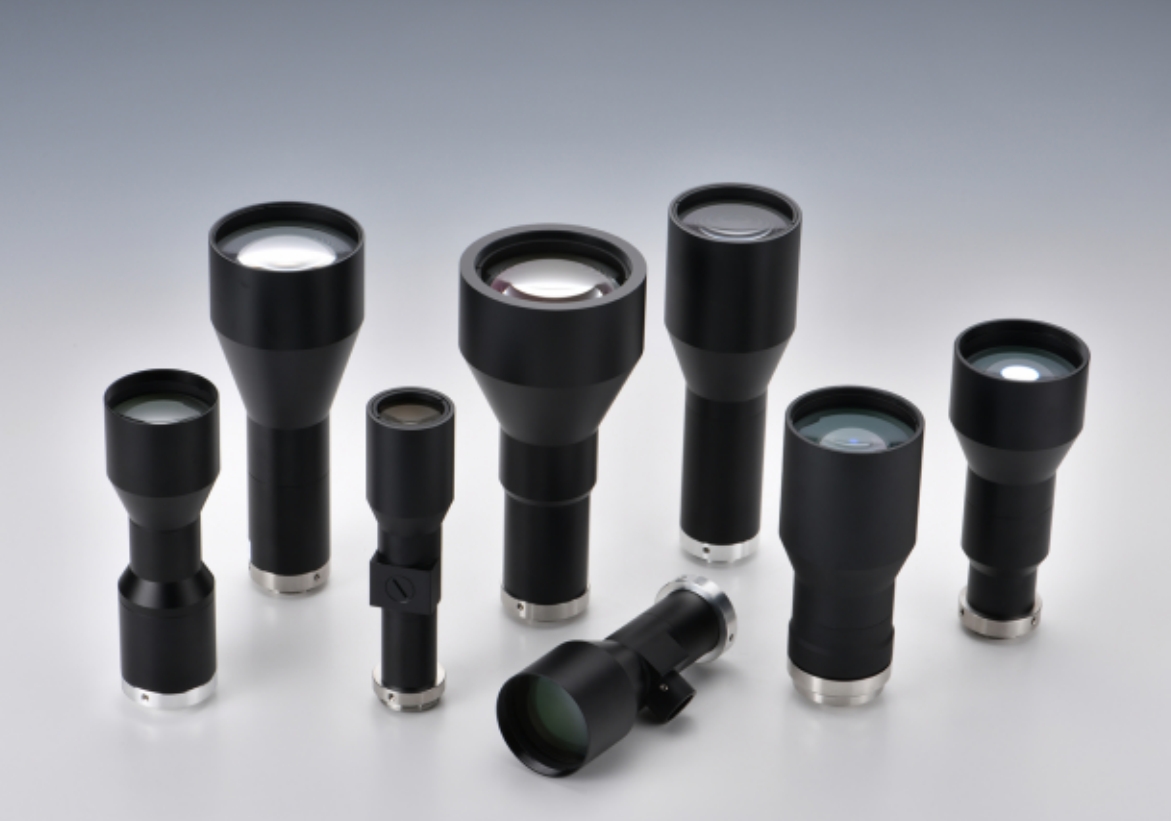
1. Determine the Camera Interface, Sensor Size, and Resolution
Start by identifying the type of camera you are using. The camera's interface will dictate the type of lens mount required. Additionally, knowing the sensor size and resolution helps in selecting the appropriate lens that can cover the sensor area without causing vignetting or distortion.
- Camera Interface: Common interfaces include C-mount and CS-mount. Make sure the lens is compatible with your camera's mount.
- Sensor Size: The sensor size determines the field of view and the lens's image circle. Common sensor sizes are 1/2.3", 1/2", 2/3", and more.
- Resolution: Higher resolution sensors require lenses with higher optical quality to avoid blurriness or loss of detail.
2. Determine the Field of View and Working Distance
The field of view (FOV) is the visible area captured by the camera, while the working distance is the distance between the lens and the object being inspected. To choose the right lens, you need to consider these factors:
- Field of View: Define the size of the area you want to capture. A wider FOV may require a shorter focal length, while a narrower FOV may require a longer focal length.
- Working Distance: Determine the distance from the lens to the object. This affects the choice of lens and its focus capabilities.
3. Calculate the Focal Length
The focal length of a lens determines its magnification and field of view. To calculate the required focal length, consider the sensor size, desired field of view, and working distance.
- Focal Length: Shorter focal lengths provide a wider field of view, while longer focal lengths offer higher magnification with a narrower field of view.
4. Consider Lens Types and Features
Industrial lenses come in various types, each with unique features and applications. Here are some common types of industrial lenses:
- Fixed-Focus Lenses: These lenses have a fixed focal length and are used when a specific field of view is required.
- Zoom Lenses: These lenses offer variable focal lengths, allowing you to adjust the field of view without changing the lens.
- Telecentric Lenses: These lenses maintain a constant magnification across different working distances, ideal for precision measurements.
- Line-Scan Lenses: These are designed for line-scan cameras, used for inspecting continuous moving objects.
- Macro Lenses: These are designed for close-up inspections, providing high magnification at short working distances.
Conclusion
Choosing the right industrial lens for machine vision requires careful consideration of the camera interface, sensor size, resolution, field of view, working distance, and focal length. Additionally, understanding the different types of industrial lenses and their applications is crucial in making the right choice. Companies like FALenses Technology can provide expert guidance and assist in selecting the appropriate lens for your specific machine vision application, ensuring optimal results and performance.
FALenses Technology specializes in providing machine vision core hardware. You can go to the official website of FALenses Technology at https://www.falenses.com/ for more information.