
Comprehensive Guide to Machine Vision: What Is It?
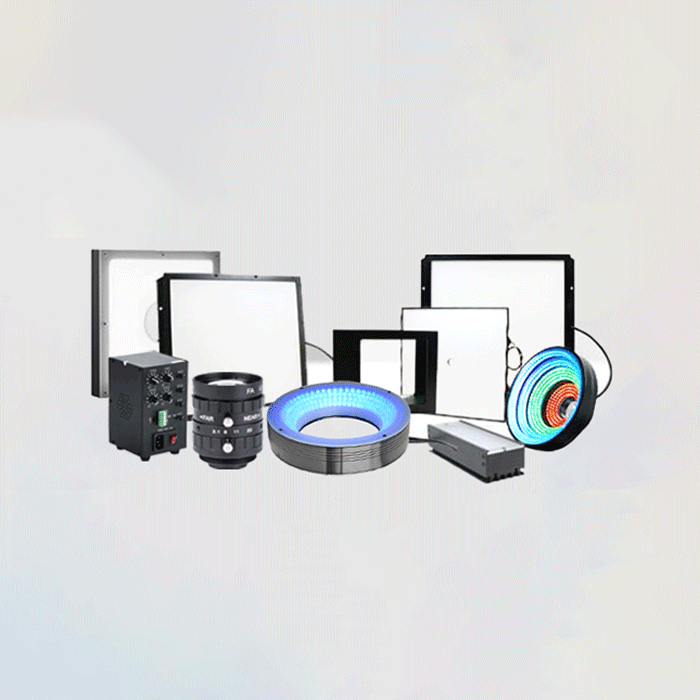
Machine vision is an automated technology that uses optical non-contact sensing devices to capture and interpret real-world images, providing information to control machines or processes. In simple terms, machine vision is about extracting information from digital images for the purpose of process control or inspecting manufactured products.
To understand machine vision better, let's take the example of a beer factory's liquid level measurement system. As each beer bottle moves past a sensor, the sensor triggers the vision system to emit a strobe light, capturing an image of the beer bottle. The collected image is then analyzed by the vision software to determine if the beer bottle's fill level meets the required standard. If it doesn't, the system sends a signal to a diverter to remove the faulty bottle from the production line. The machine vision system can also display the rejected bottles and provide continuous process statistics.
In this example, the system demonstrates a binary characteristic, with two possible outcomes: "pass" or "fail."
Key Functions of Machine Vision
Machine vision has been widely applied in various industries, such as biomedical, industrial production, quality control, and robotics. Its primary functions include:
-
Target Identification: Machine vision can identify different objects, including barcodes, QR codes, and OCR (Optical Character Recognition).
-
Position Detection: It helps robots accurately locate and assemble parts, paint, sort, or stack objects.
-
Completeness Inspection: This function is used to determine if components are correctly installed in the right places.
-
Shape and Dimension Measurement: Machine vision can measure a product's shape and size within acceptable tolerance ranges.
-
Surface Detection: It is used to identify surface defects, such as scratches or unevenness.
These functions are summarized into four categories: detection, measurement, identification, and positioning. Based on these capabilities, machine vision can be integrated with mechanical or robotic equipment to create intelligent solutions for various industries.
Components of a Machine Vision System
A machine vision system consists of hardware and software components.
Hardware
- Industrial Cameras: These cameras can be CCD (Charge-Coupled Device) or CMOS (Complementary Metal-Oxide-Semiconductor).
- Lenses: Lenses focus the light onto the camera's sensor.
- Light Sources: Different types of lighting are used to illuminate the objects for inspection.
Software
- Core Algorithms: These algorithms process the captured images to extract information.
- Image Recognition and Processing Software: This software helps analyze the images and make decisions based on the analysis.
Industries and Applications
Machine vision technology finds applications in various industries, such as automated driving, smart cities, and factory automation. The technology has evolved significantly since the 1980s, when China first introduced machine vision. With advancements in image processing, deep learning, and 3D vision, the potential for machine vision is limitless.
Conclusion
Machine vision is a transformative technology that automates inspection and process control through optical systems and image processing software. Its key functions include detection, measurement, identification, and positioning. A machine vision system consists of industrial cameras, lenses, light sources, and software for image analysis. With applications across numerous industries, machine vision is set to revolutionize manufacturing, quality control, and robotics, among other fields.
FALenses Technology specializes in providing machine vision core hardware. You can go to the official website of FALenses Technology at https://www.falenses.com/ for more information.