
What Are the Advantages of Vision Light Sources? What Process Should You Follow to Choose a Vision Light Source?
Vision light sources play a crucial role in machine vision and automated inspection. They offer several benefits that make them ideal for various industrial applications. Additionally, selecting the right vision light source requires a systematic approach to ensure the best results. Let's explore the advantages of vision light sources and the recommended process for selecting them.
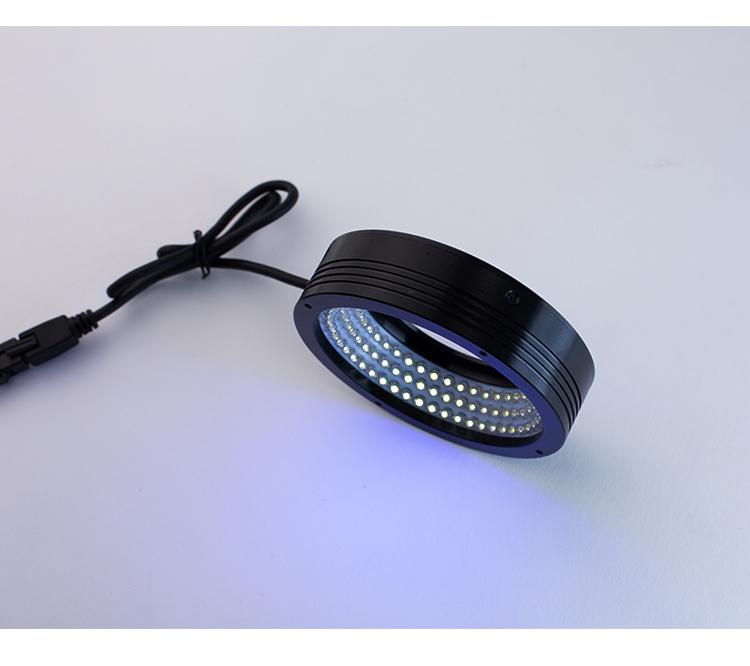
Advantages of LED Vision Light Sources:
LED vision light sources offer several key advantages over traditional light sources, making them a popular choice in machine vision applications. Here are some notable benefits:
1. Versatile Shapes, Sizes, and Illumination Angles
LED vision light sources can be manufactured in various shapes, sizes, and illumination angles, allowing for flexibility in design and application.
2. Adjustable Colors and Brightness
LED vision light sources can be customized in different colors and allow for brightness adjustment as needed, providing precise control over illumination.
3. Improved Heat Dissipation and Stable Brightness
Many LED vision light sources come with heat dissipation systems, ensuring stable brightness and longer operational life.
4. Long Lifespan
LED light sources typically have a longer lifespan compared to other light sources, reducing maintenance and replacement costs.
5. Fast Response and Strobe Capability
LED vision light sources can reach maximum brightness in 10 microseconds or less, making them suitable for fast-paced applications and strobe lighting.
6. Low Operating Costs
Due to their long lifespan and energy efficiency, LED light sources have lower operating costs.
7. External Triggering and Computer Control
Many LED vision light sources can be externally triggered, allowing for computer-controlled operation. This feature is essential for automated systems and precision control.
8. Customizable for Specific Needs
LED vision light sources can be customized based on customer requirements, offering flexibility for unique applications.
Process for Choosing a Vision Light Source:
Choosing the right vision light source for your application involves a systematic approach. Here's a recommended process:
1. Understand Project Requirements
Determine the specific needs of your project, including what you need to inspect or measure.
2. Analyze the Target and Background
Examine the differences between the target and the background to identify the optical characteristics that provide the greatest contrast.
3. Determine the Light Source Type
Based on the analysis, select the type of light source that best suits your requirements, whether it's a ring light, bar light, coaxial light, or another type.
4. Test with Actual Light Sources
Conduct tests with actual light sources to determine the most effective lighting method for your application.
5. Finalize the Appropriate Product
Based on the tests and specific requirements, select the most suitable product for your project.
Conclusion:
LED vision light sources offer numerous advantages, including versatility, adjustability, stability, long lifespan, fast response, low operating costs, and customization options. To choose the right vision light source, it's essential to understand the project requirements, analyze the target and background, determine the light source type, conduct tests, and finalize the appropriate product.
Companies like FALenses Technology can provide expert guidance and support to help you choose the best vision light source for your specific machine vision application. This approach ensures that you get the optimal lighting solution for your needs.
FALenses Technology specializes in providing machine vision core hardware. You can go to the official website of FALenses Technology at https://www.falenses.com/ for more information.