
What Are the Characteristics of LED Surface Lights? In Which Fields Are They Mainly Used?
LED surface lights are a type of lighting used in various applications, known for providing diffuse illumination over a flat emitting surface. Let's explore the key characteristics of LED surface lights and the primary fields in which they are used.
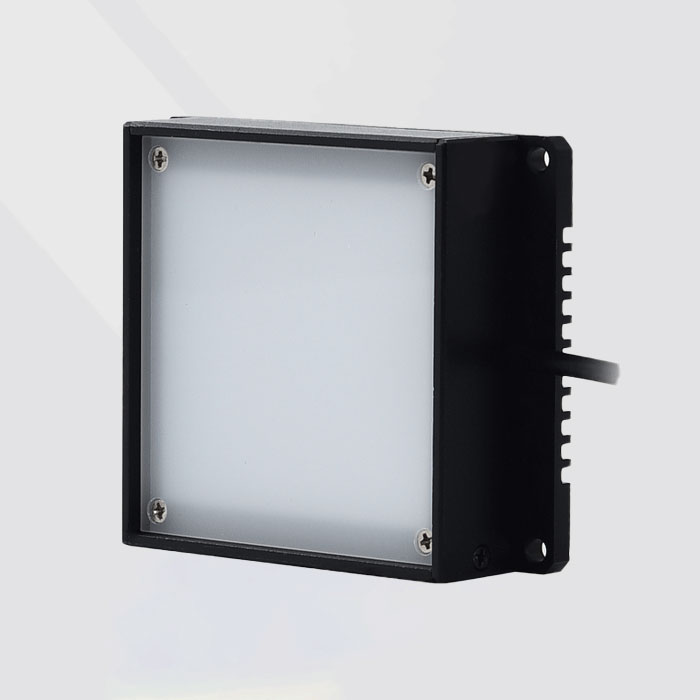
Characteristics of LED Surface Lights:
LED surface lights offer several notable features that make them a preferred choice in various applications. Here are some of the key characteristics:
1. Use of High-Luminosity LED Chips
LED surface lights are constructed with high-luminosity LED chips, providing bright and consistent illumination.
2. High-Density Arrangement for Good Uniformity
The LEDs are densely arranged to ensure even illumination across the entire surface. This high-density design contributes to the light's uniformity and reduces the risk of uneven lighting.
3. Soft and Natural Illumination
LED surface lights produce a soft and natural light, reducing eye strain and providing a comfortable lighting environment. They are also energy-efficient, consuming less power compared to traditional lighting sources.
4. Customizable Sizes and Installation Methods
LED surface lights can be customized in various sizes and shapes to fit specific requirements. They also offer flexibility in installation, with multiple mounting options available.
5. Durability and Long Lifespan
LED surface lights are designed for durability and have a long lifespan, reducing the need for frequent replacements and maintenance.
Applications of LED Surface Lights:
Given their unique characteristics, LED surface lights find applications in various fields. Here are some common applications:
1. Mechanical Component Size Detection
LED surface lights are used in industrial settings to measure and inspect the size of mechanical components. Their uniform illumination ensures accurate measurements.
2. Textile and Garment Industry
In the textile and garment industry, LED surface lights are used for inspecting fabric quality, detecting defects, and ensuring proper alignment during production.
3. Food Packaging Inspection
LED surface lights are used to inspect food packaging for defects, ensuring that the packaging is intact and meets quality standards.
4. Edge Defect Detection
These lights are ideal for detecting edge defects in various products, providing consistent lighting to highlight imperfections.
5. Electronic Component and IC Shape Detection
LED surface lights are used to inspect electronic components and integrated circuits (ICs) for shape consistency and defects.
Conclusion:
LED surface lights offer several advantages, including high luminosity, good uniformity, soft illumination, customizability, and durability. They are used in a variety of fields, from industrial manufacturing to textile and garment production, and are ideal for applications requiring even and consistent lighting.
If you're considering LED surface lights for your application, companies like FALenses Technology offer a wide range of options, providing customizable solutions to meet specific needs. With their flexibility and versatility, LED surface lights can be adapted to various applications, ensuring reliable and accurate inspection results.
FALenses Technology specializes in providing machine vision core hardware. You can go to the official website of FALenses Technology at https://www.falenses.com/ for more information.