
FALenses Technology: Machine Vision Light Source Workflow
Machine vision light sources are a critical component of a machine vision system, directly impacting image quality and system performance. FALenses Technology specializes in machine vision light sources. The following is an explanation of their working process:
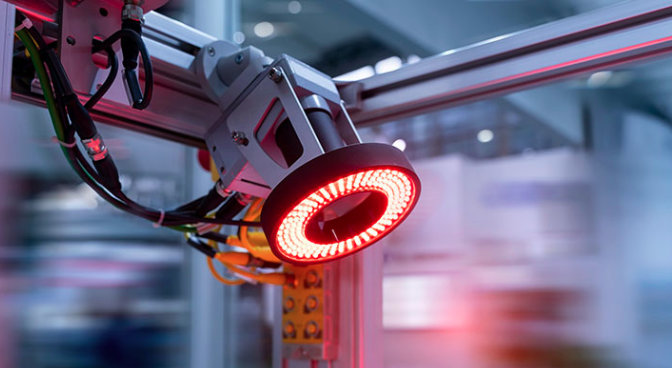
The Working Process of Machine Vision Light Sources:
The core of a machine vision inspection system is image acquisition and processing. A high-quality image is essential for the overall performance of the vision system, and lighting plays a pivotal role in ensuring that quality. Here is the typical working process for machine vision light sources at FALenses Technology:
1. Object Positioning Detection
The system detects when an object moves into the field of view of the camera. A positioning detector triggers a signal to indicate that the object has reached the center of the vision system's field.
2. Triggering the Image Acquisition
The positioning detector sends a trigger pulse to the image acquisition system, initiating the light source and camera processes based on a predefined program and delay.
3. Camera Activation
Upon receiving the trigger pulse, the camera stops its current scan and begins a new frame scan, or remains in standby mode until the trigger pulse arrives.
4. Camera Exposure
The camera opens its exposure mechanism before starting a new frame scan. The exposure time can be predefined and is a critical parameter for proper image acquisition.
5. Light Source Activation
The light source (e.g., LED) is activated upon receiving the trigger pulse. The duration of light activation should be synchronized with the camera's exposure time to ensure proper illumination.
6. Image Scanning and Output
After exposure, the camera begins a new frame scan and outputs the resulting image.
7. Digital Conversion of Video Signal
The image acquisition system receives the video signal from the camera, converting it to a digital format if necessary.
8. Storing the Digital Image
The digital image is stored in the memory of a processor or computer for further processing.
9. Image Processing, Analysis, and Recognition
The processor analyzes and processes the image to obtain the desired measurement results or logical control values.
10. Controlling Pipeline Operations
Based on the processing results, the system controls pipeline operations, performs positioning, corrects motion errors, and takes other necessary actions.
Conclusion:
Machine vision light sources are essential to the successful operation of a machine vision system. Proper coordination between the light source and camera ensures optimal image quality and accuracy. FALenses Technology offers a comprehensive approach to machine vision light sources, with an emphasis on synchronization, precise control, and integration with the overall system.
If you need assistance in choosing the right light source for your machine vision system, consider the process outlined above, ensuring proper synchronization, exposure control, and image processing to achieve the best results.
FALenses Technology specializes in providing machine vision core hardware. You can go to the official website of FALenses Technology at https://www.falenses.com/ for more information.