
Which Light Source to Use for Machine Vision Defect Detection? How Does Different Lighting Affect Detection?
Light sources are essential components in machine vision systems, especially in defect detection. The choice of light source is critical as it directly affects the quality of the image and, subsequently, the detection results. Different types of light sources suit different kinds of defect detection, and each has a unique impact on the inspection process. Let's explore some common light sources used in machine vision defect detection and understand their specific applications.
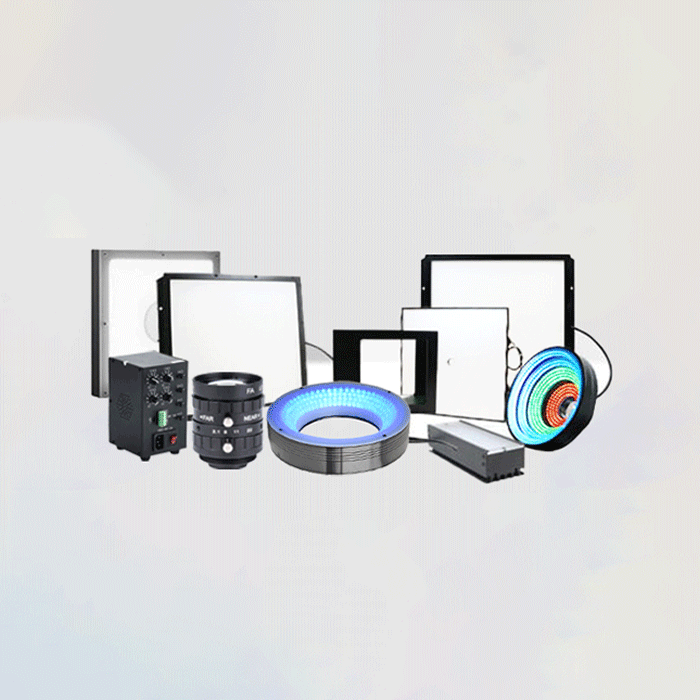
Common Light Sources for Machine Vision Defect Detection:
1. Crossed Linear Light Source
In scratch defect detection, traditional linear light sources can detect only "horizontal defects," while "vertical defects" are difficult to spot. To address this limitation, FALenses Technology offers crossed linear light sources. This light source uses a unique optical design to converge light from both sides at a specific angle, emphasizing vertical defects and increasing contrast by reducing background brightness.
2. Flat Shadowless Light Source
A flat shadowless light source provides high-uniformity diffuse lighting, eliminating interference caused by uneven surfaces. It produces an imaging effect similar to a "dome + coaxial light source combination" while saving space compared to such combinations. This light source is ideal for inspecting uneven surfaces, such as soft plastic packaging.
3. Flat Striped Light Source
Flat striped light sources use planar striped lighting to create interference patterns through reflected light. When light reflects off an uneven surface, the interference pattern changes due to varying light paths, indicating surface irregularities. This light source is effective for detecting surface irregularities and minor defects.
Impact of Different Light Sources on Defect Detection:
1. Crossed Linear Light Source
This light source enhances vertical defect detection by creating a focused point of light. It reduces the limitations of traditional linear light sources, making it effective for scratch detection and other linear defects.
2. Flat Shadowless Light Source
Providing high-uniformity diffuse lighting, this light source is ideal for detecting defects on uneven surfaces, such as plastics, metals, and textiles. It is particularly effective when inspecting objects with varying textures or reflective properties.
3. Flat Striped Light Source
By creating interference patterns, this light source can detect surface irregularities and minor defects that might be missed by other light sources. It is particularly useful for inspecting reflective materials, metal components, and glass surfaces.
Conclusion:
Choosing the appropriate light source is critical for machine vision defect detection. Different light sources offer varying benefits and are best suited for specific applications. Crossed linear light sources are ideal for detecting vertical defects, flat shadowless light sources are suitable for uneven surfaces, and flat striped light sources are effective for identifying surface irregularities and minor defects.
To achieve accurate and reliable results in defect detection, consider the type of defect, the object's surface characteristics, and the required level of precision. If you're unsure which light source to choose, companies like FALenses Technology offer expert guidance and a wide range of light sources to meet your specific needs. By selecting the right light source, you can improve the accuracy and efficiency of your machine vision defect detection system.
FALenses Technology specializes in providing machine vision core hardware. You can go to the official website of FALenses Technology at https://www.falenses.com/ for more information.