
Factors to Consider When Choosing Machine Vision Light Sources
Machine vision light sources play a crucial role in the quality and effectiveness of machine vision systems. The light source provides illumination that allows the camera to capture clear images for inspection, measurement, or detection. Since there is no one-size-fits-all solution, choosing the appropriate light source for specific applications is key to achieving optimal results. Here are the factors to consider when choosing machine vision light sources:
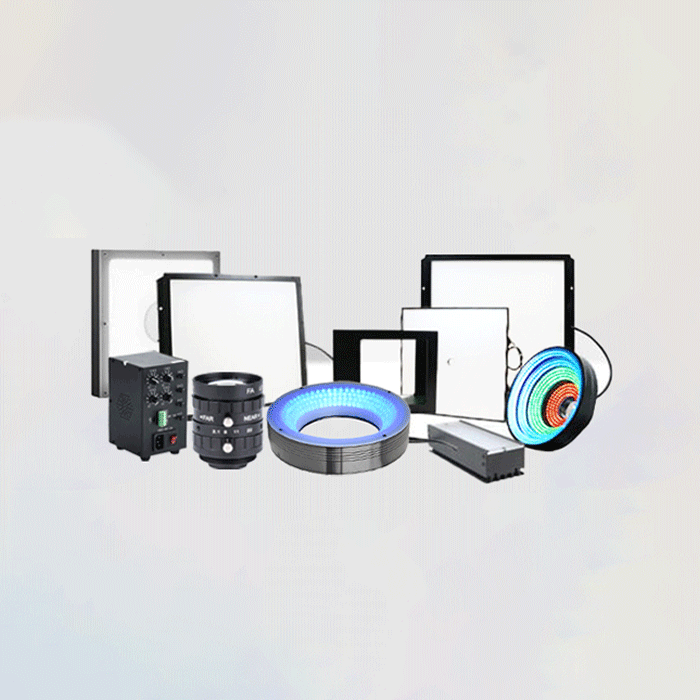
Key Considerations for Machine Vision Light Sources:
1. Surface Characteristics
Different materials have varying surface characteristics, affecting how light interacts with them. Consider the type of surface to be illuminated and analyze the reflection patterns to determine the best light source.
2. Control of Reflections
To achieve accurate imaging, it's essential to control where and how much light reflects into the camera lens. Machine vision light source design is fundamentally about managing reflections to ensure that the right amount of light reaches the camera.
3. Predictable Light Behavior
Light behavior should be predictable when it interacts with the surface of the target object. Ideal light sources can be adjusted to ensure that the reflected light reaches the camera lens at the desired angle.
Machine Vision Light Source Requirements:
To meet the demands of machine vision detection, light sources must meet the following conditions:
1. Sufficient Brightness
The light source should provide enough brightness to support the camera's short exposure time.
2. Uniform Illumination
Uniform light distribution is essential for capturing detailed and high-contrast images without bright spots or glare.
3. Secure Installation
The light source should have secure mounting options to ensure stable installation.
4. Efficient Heat Dissipation
A reliable heat dissipation system is crucial for light sources operating 24/7. Efficient heat dissipation ensures consistent brightness and reduces the risk of heat-related damage.
5. Constant Current Control
The light source controller should provide constant current with high accuracy, maintaining stable brightness throughout its lifespan.
Conclusion:
Choosing the right machine vision light source involves understanding the unique requirements of your application. Consider the surface characteristics, the need to control reflections, and the predictability of light behavior. Additionally, ensure that the light source meets the required conditions for brightness, uniformity, installation, heat dissipation, and constant current control.
If you're unsure about which light source to choose, companies like FALenses Technology offer expert guidance and a wide range of light source options tailored to your specific needs. By selecting the correct light source, you can ensure reliable and efficient performance in your machine vision system.
FALenses Technology specializes in providing machine vision core hardware. You can go to the official website of FALenses Technology at https://www.falenses.com/ for more information.