
What Is a Circular Diffused Light Source? What Detection Fields Is It Used In?
When discussing machine vision light sources, common types include ring lights, coaxial lights, bar lights, point lights, and flat lights. However, there's another type of light source that's less commonly known: the circular diffused light source. Let's explore what a circular diffused light source is and in which detection fields it is used.
What Is a Circular Diffused Light Source?
A circular diffused light source, as the name suggests, has a circular shape. It emits light through a diffusion process, providing highly uniform illumination. The design of this light source allows for even distribution of light, making it ideal for applications that require uniform lighting. The primary applications of circular diffused light sources are in visual inspection, contour positioning, and scratch detection.

Key Features of a Circular Diffused Light Source:
- Uniform Illumination: The light source emits highly uniform light, reducing shadows and uneven lighting.
- Circular Shape: The circular design allows for 360-degree illumination, which is useful for applications where complete coverage is required.
- Diffusion: The light is diffused to create a softer and more even distribution, ideal for visual inspection applications.
Specifications of a Circular Diffused Light Source:
The typical specifications for a circular diffused light source include the following parameters:
- Voltage and Power: These parameters indicate the electrical requirements and energy consumption of the light source.
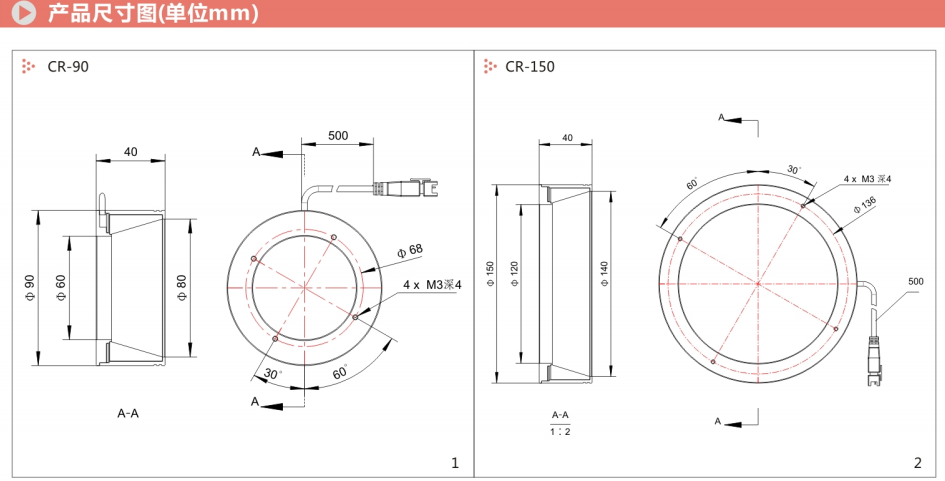
- Product Dimensions: The size and shape of the light source, which determine its compatibility with specific applications.
Here is an example of the voltage, power, and size specifications for a circular diffused light source:

What Detection Fields Use Circular Diffused Light Sources?
Circular diffused light sources are commonly used in a variety of detection fields, including:
- Visual Inspection: The uniform illumination is ideal for detecting defects, scratches, or other surface irregularities.
- Contour Positioning: The circular design helps to illuminate objects from all sides, aiding in contour positioning and object detection.
- Scratch Detection: The soft and even lighting is suitable for detecting scratches and minor surface imperfections.
Conclusion:
Circular diffused light sources provide uniform illumination in a circular pattern, making them ideal for various machine vision applications, including visual inspection, contour positioning, and scratch detection. The even distribution of light helps reduce shadows and improves the quality of the captured images.
If you're unsure whether a circular diffused light source is suitable for your application, companies like FALenses Technology offer a wide range of light sources and provide free testing services to determine the best light source for your specific needs.
FALenses Technology specializes in providing machine vision core hardware. You can go to the official website of FALenses Technology at https://www.falenses.com/ for more information.