
How Does a Machine Vision Light Source Work?
In a machine vision system, the light source plays a critical role in providing the illumination necessary for capturing high-quality images. The system's stability and performance depend significantly on proper lighting. Let's explore the working process of a machine vision light source and understand its role in a typical machine vision system.
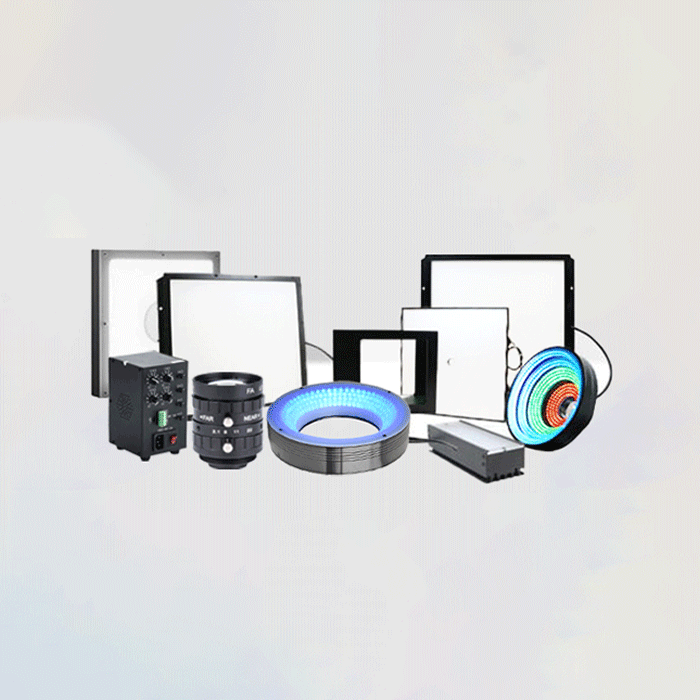
Overview of the Machine Vision System:
A machine vision system consists of three main components:
- Image Capture: Involves the use of light sources, industrial camera lenses, and industrial cameras to capture images of the object.
- Image Analysis: The captured images are processed and analyzed to extract relevant information.
- Result Output: The processed information is used to make decisions or provide feedback for further actions.
Importance of Visual Light Sources:
The quality of the captured image depends heavily on the light source and the lighting setup. Proper illumination is essential for clear image capture and accurate image processing. Here's a detailed breakdown of the working process of a machine vision light source in a typical machine vision system:
Working Process of a Machine Vision Light Source:
1. Detection of Object Position
The system detects when the object moves into the field of view of the camera. A positioning detector triggers a signal indicating that the object has reached the center of the visual system's field.
2. Triggering the Image Acquisition Process
The signal from the detector triggers the image acquisition process, causing the light source and camera to start according to a predefined program and delay.
3. Camera Scanning and Exposure
The camera stops its current scan and begins a new frame scan. Before scanning, the exposure mechanism is opened, and the exposure time is predefined.
4. Synchronization of Light and Camera
The light source is activated with a pulse that synchronizes with the camera's exposure time. This synchronization ensures that the light is properly aligned with the camera's scanning.
5. Frame Scanning and Output
After exposure, the camera begins a new frame scan, capturing the image and outputting it for further processing.
6. Analog-to-Digital Conversion
The captured image is converted from an analog video signal to a digital format (or received directly as a digital video signal).
7. Image Processing and Analysis
The digital image is processed and analyzed to extract relevant information. This can include measurement, pattern recognition, defect detection, and other tasks.
8. Control of Workflow Based on Results
Based on the analysis results, the system can control the workflow, adjust positioning, correct errors, or take other necessary actions.
Conclusion:
Machine vision light sources are essential for proper illumination, ensuring that the captured images have the required quality and contrast. A well-designed lighting system reduces the complexity of image processing algorithms, enhances system stability, and improves accuracy.
Understanding the working process of a machine vision light source helps appreciate its importance in the overall system. If you need assistance in choosing the right light source or designing a lighting system for your machine vision application, companies like FALenses Technology offer expert guidance and a variety of lighting solutions to meet your specific needs.
FALenses Technology specializes in providing machine vision core hardware. You can go to the official website of FALenses Technology at https://www.falenses.com/ for more information.