
How to Choose a Machine Vision Light Source? Key Factors to Consider
Selecting the right light source for machine vision applications is crucial to ensure accurate image capture and effective defect detection. When choosing a light source, it's essential to consider several factors to achieve the best results. Let's explore the key considerations for selecting a machine vision light source:
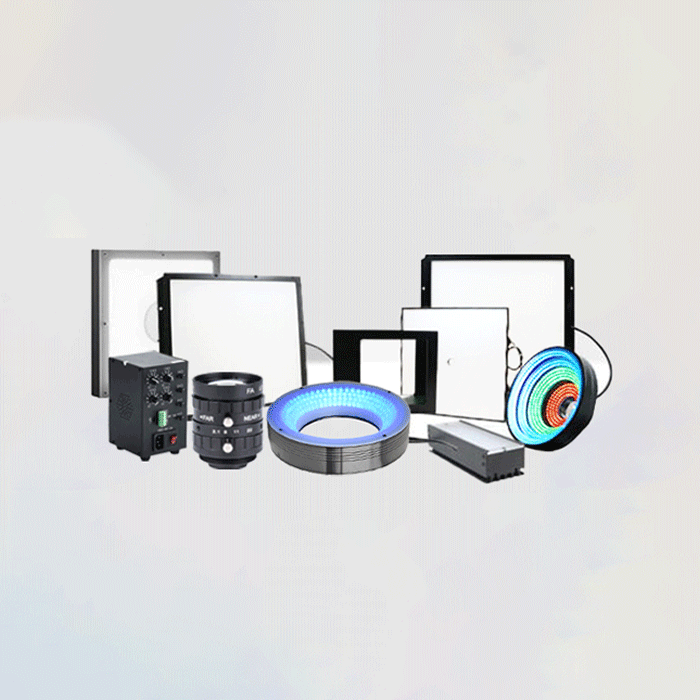
1. Brightness
When choosing between two light sources, the brighter one is often the better choice. Insufficient brightness can lead to several issues:
- Increased Noise: Low brightness can result in a poor signal-to-noise ratio, leading to noisy images.
- Reduced Depth of Field: Low brightness may require a wider aperture, reducing depth of field.
- Environmental Light Interference: Insufficient brightness can lead to greater influence from ambient light, affecting image quality.
2. Light Source Uniformity
Uniformity in lighting is critical to avoid uneven reflections and achieve consistent image quality. Light source uniformity affects three aspects:
- Field of View: The lighting should be uniform across the entire camera field of view, without dark spots or overly bright areas.
- Reflectivity: Uneven lighting can lead to uneven reflections on the object surface, affecting image consistency.
- Geometric Consistency: A uniform light source can compensate for variations in the object's geometric shape, ensuring consistent illumination.
3. Spectral Characteristics
The light source's color and the object's surface color determine the amount and wavelength of reflected light. White light or specific spectral ranges can be important when extracting color-based image features. When analyzing multi-color features, the color temperature of the light source is a significant factor to consider.
4. Light Source Lifespan
Machine vision light sources typically need to operate continuously. A light source with a longer lifespan ensures consistent image quality over time, reducing the need for frequent replacements or adjustments.
5. Contrast and Brightness
High brightness contrast is essential for machine vision applications. The goal is to create a significant contrast between the features to be observed and the surrounding areas, making it easier to distinguish critical characteristics. Good lighting should ensure that the features to be detected stand out against the background.
Conclusion:
Choosing the right light source for machine vision requires careful consideration of several factors, including brightness, uniformity, spectral characteristics, lifespan, and contrast. Proper lighting is crucial for ensuring accurate and reliable image capture, which directly impacts the effectiveness of machine vision applications.
If you're uncertain about which light source to choose, companies like FALenses Technology offer a wide range of light sources and expert guidance to help you make the best selection for your specific needs. By carefully considering these factors, you can improve the performance and reliability of your machine vision system.
FALenses Technology specializes in providing machine vision core hardware. You can go to the official website of FALenses Technology at https://www.falenses.com/ for more information.