
What Are the Characteristics of Industrial Light Sources?
Industrial light sources are a critical component in machine vision and other industrial applications. They play a vital role in providing the necessary illumination for accurate image capture and analysis. The most commonly used light sources in industrial applications are LED (Light Emitting Diode) lights due to their unique characteristics. Here are some of the key features of industrial light sources:
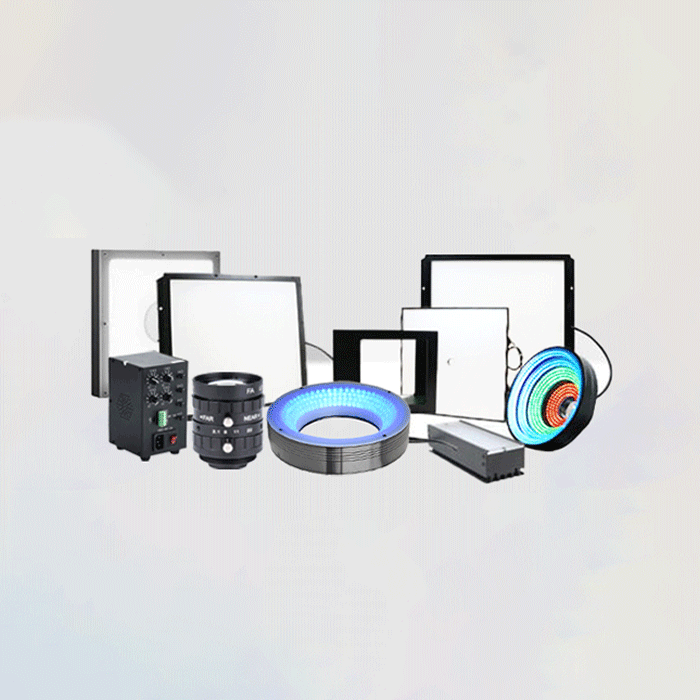
1. Design Flexibility
An LED-based industrial light source consists of multiple individual LEDs, allowing for various shapes and configurations. This flexibility enables custom designs to suit specific user requirements, allowing for different sizes, shapes, and mounting options.
2. Durability and Longevity
LED light sources are known for their durability and long lifespan. They can operate continuously for 10,000 to 30,000 hours, with minimal brightness decay. Additionally, using a control system for intermittent operation can further extend their lifespan by reducing heat generation.
3. Fast Response Time
LEDs have a fast response time, allowing them to reach full brightness in a fraction of a second. This characteristic is crucial for applications that require quick on/off cycles or strobing. Industrial light sources with specialized controllers can achieve high-speed switching, providing precise control over illumination.
4. Wide Range of Colors
LED-based light sources offer a wide range of colors, enabling specific applications to choose the most suitable color for their needs. The color choice can significantly impact image quality, contrast, and processing. The ability to select different colors allows for more customized illumination solutions.
5. Cost-Effectiveness
Although initial investments in high-quality industrial light sources might be higher, they tend to have lower operating costs over time. LED light sources consume significantly less energy compared to other traditional light sources, such as xenon, fluorescent, or halogen lamps. This reduced energy consumption, combined with longer lifespans, contributes to overall cost-effectiveness.
6. High Efficiency and Brightness
LED light sources are highly efficient in converting electrical energy into light, resulting in bright and consistent illumination. This efficiency helps maintain stable light output over extended periods, reducing the need for frequent adjustments or replacements.
Conclusion:
Industrial light sources, particularly LED-based, offer several advantages, making them the preferred choice in machine vision and other industrial applications. Their durability, design flexibility, fast response time, wide range of colors, cost-effectiveness, and high efficiency contribute to their popularity in various industries. Understanding these characteristics can help you select the most suitable light source for your specific industrial applications. If you need further guidance, companies like FALenses Technology can assist with light source selection and provide a variety of options to meet your needs.
FALenses Technology specializes in providing machine vision core hardware. You can go to the official website of FALenses Technology at https://www.falenses.com/ for more information.