
What to Consider When Selecting LED Light Sources for Machine Vision Inspection
Light sources play a critical role in machine vision inspection, with the correct choice of light source often determining the success of a project. LED light sources are commonly used in machine vision due to their versatility, efficiency, and long lifespan. Here are some key considerations when selecting LED light sources for machine vision inspection:
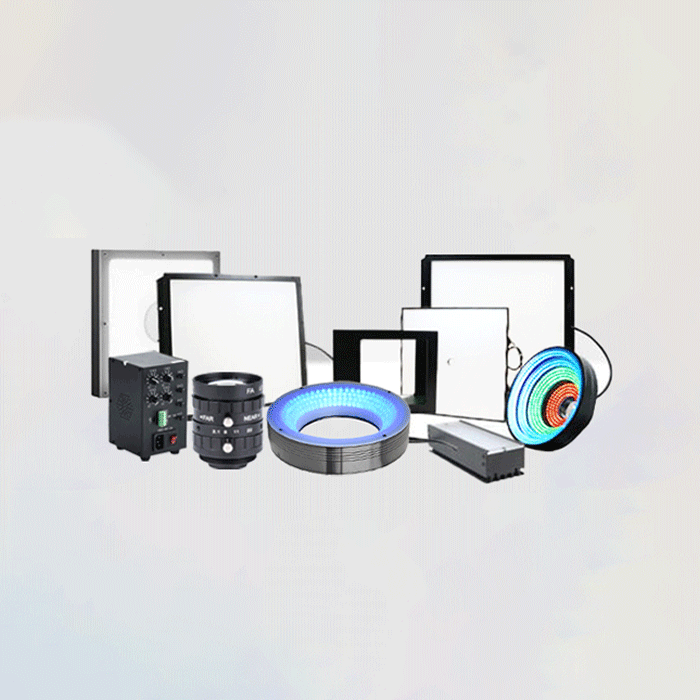
1. Ensure a Stable and Uniform Light Source
Consistency is crucial when selecting an LED light source for machine vision. A stable and uniform light source ensures that the illumination is consistent across the inspection area, reducing variability in image quality and providing reliable results.
2. Clearly Distinguish the Object from the Background
The primary goal of a machine vision light source is to clearly differentiate the object being inspected from the background. This separation allows for more accurate detection and analysis.
3. Achieve Optimal Contrast
When capturing images, it's important to achieve optimal contrast between the object and the background. High contrast helps improve the clarity of the image, making it easier to process and analyze.
4. Understand Common Image Processing Techniques
Many image processing techniques rely on creating a clear distinction between the object and the background. One common method is binary (black-and-white) processing, where the image is reduced to two tones to highlight the feature of interest. Selecting a light source that allows for clear differentiation between the object and the background facilitates this type of image processing.
5. Consider Light Intensity and Direction
Depending on the application, different lighting techniques may be required to achieve the best results. Common lighting methods include:
- Bright Field: Uses direct light to illuminate the entire object. The scattered light appears black, while the reflected light appears white. This method is used when you want to capture the overall shape and details of the object.
- Dark Field: Uses scattered light to illuminate the object, with direct light appearing white and scattered light appearing black. This method is useful for highlighting surface defects or features with fine details.
6. Practical Experience and Testing
Selecting the right light source for machine vision inspection often involves practical experience and testing. It's essential to experiment with different light sources and lighting configurations to determine the best solution for your specific application. By testing various lighting setups, you can find the optimal combination that meets your inspection requirements.
Conclusion
Choosing the right LED light source for machine vision inspection is critical to the success of your project. A stable and uniform light source, clear object-background separation, optimal contrast, and understanding common image processing techniques are key factors to consider. Additionally, practical experience and testing are essential to ensure the selected light source meets the needs of your specific application.
If you're unsure which LED light source to choose, companies like FALenses Technology offer a range of industrial light sources and expert guidance to help you select the most suitable option for your machine vision inspection needs.
FALenses Technology specializes in providing machine vision core hardware. You can go to the official website of FALenses Technology at https://www.falenses.com/ for more information.