
Drive Methods for Electric Zoom Lenses
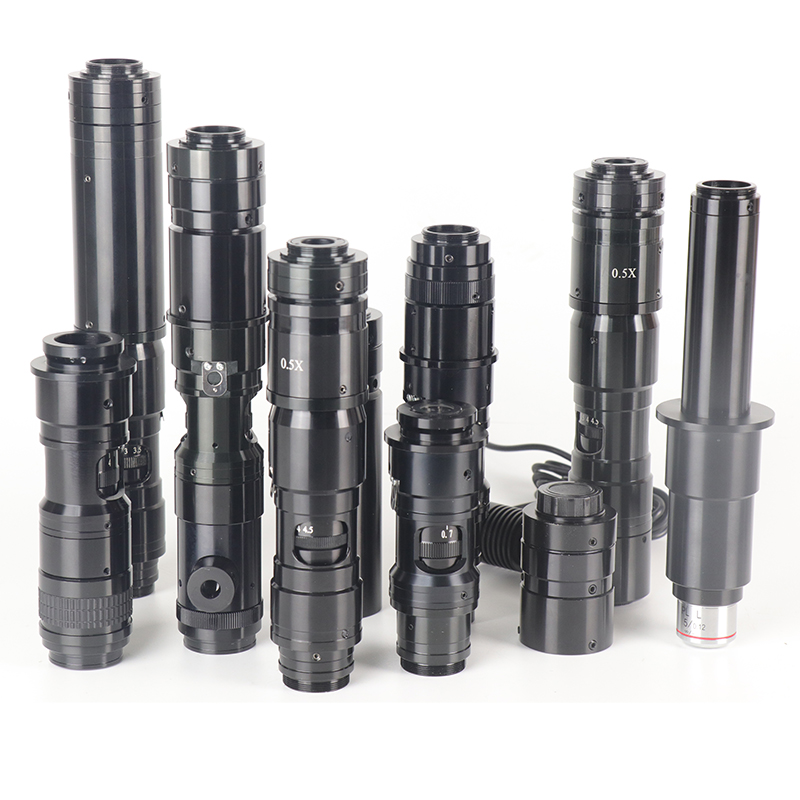
Electric zoom lenses primarily use two types of drive mechanisms: DC electric motors and stepper electric motors. Below, I'll elaborate on the principles and characteristics of these two drive methods.
DC Electric Motor Drive:
Working Principle: A DC electric motor creates rotational movement through applied DC voltage, driving the lens for focal length adjustment. The motor consists of an armature and a permanent magnet. When voltage is applied, the armature generates a rotating magnetic field, interacting with the field of the permanent magnet, leading to motor rotation. In zoom lenses, the motor's rotational movement is converted into focal length changes.
Characteristics:
- High Power Output: DC motors typically provide substantial torque, allowing for quick and precise focal length adjustments.
- Reversibility: They can rotate both forward and backward, allowing for bidirectional lens adjustments.
- Adjustable Speed: By varying the applied voltage, the motor's speed can be controlled, thus influencing the speed of focal length adjustment.
- Requires Power Supply: DC motors need a stable external power source, demanding consistent voltage control.
Stepper Electric Motor Drive:
Working Principle: Stepper motors offer precise control through incremental pulse signals, allowing the motor to rotate in fixed steps for focal length adjustment. They consist of electromagnetic coils and a rotor. By applying pulse signals to the coils in a specific sequence, the rotor is induced to rotate. This controlled rotation is what drives the lens's focal length adjustments.
Characteristics:
- Precise Control: Stepper motors move in predefined steps, offering high positioning accuracy and control precision—ideal for applications requiring precise focal length adjustments.
- Low Power Consumption: They generally consume less power, providing precise adjustment with minimal energy use.
- No Feedback Required: Given their step-based rotation, there's no need for external feedback to detect rotational position or angle.
- Complex Drive Circuitry: Stepper motors require complex circuitry for pulse generation and control, often needing specialized drive chips or controllers.
Conclusion
DC motors are suited for applications that require high power output and bidirectional control. Stepper motors, with their precision and low power consumption, are ideal for applications demanding exact focal length adjustments. When selecting a drive method for electric zoom lenses, it's essential to consider the specific requirements and context of the application.
FALenses Technology specializes in providing machine vision core hardware. You can go to the official website of FALenses Technology at https://www.falenses.com/ for more information.