
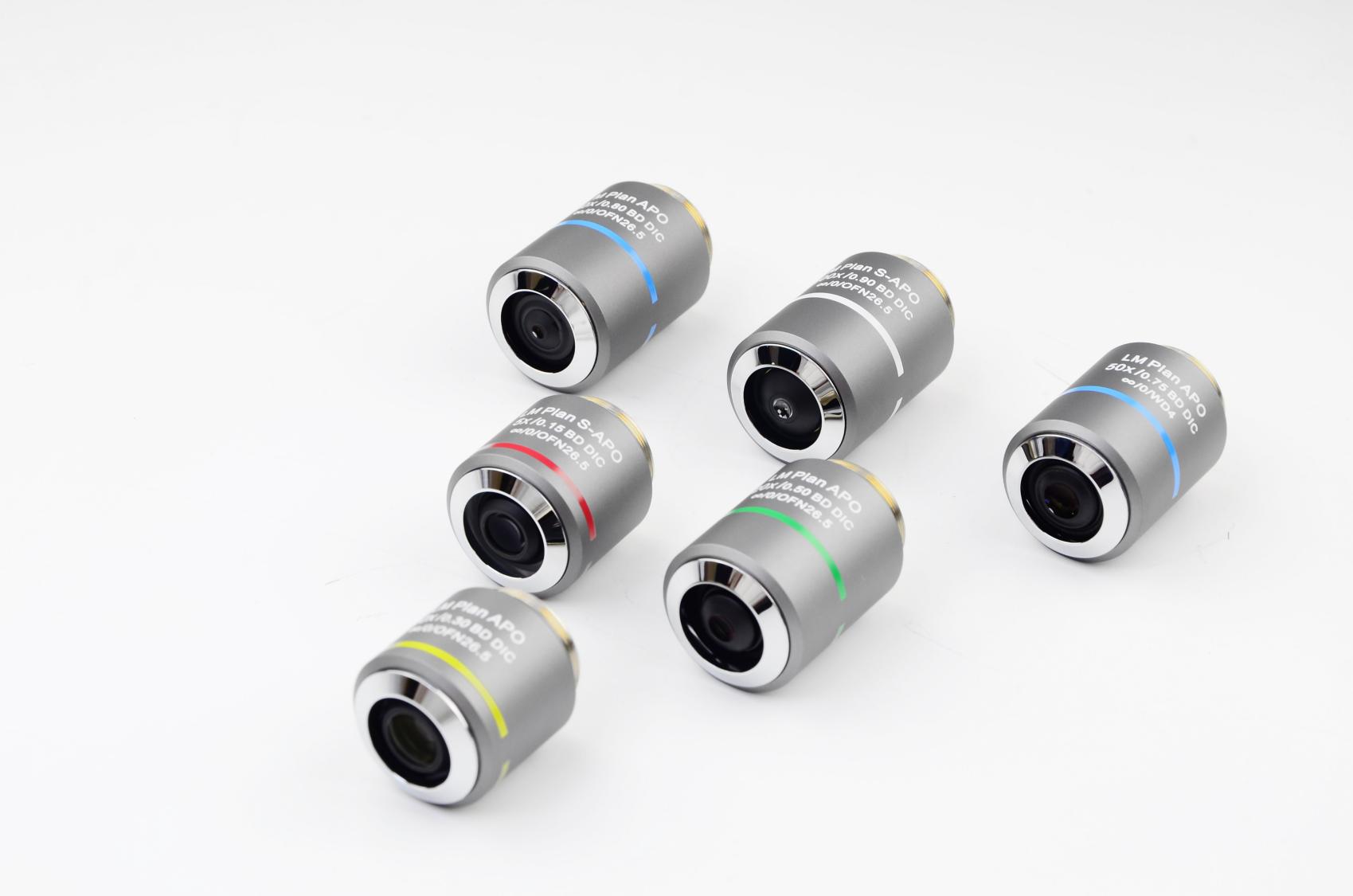
High-resolution lenses are designed to capture more details and colors, resulting in clearer and more realistic images. By incorporating more lens elements, using higher-quality glass, and reducing optical distortion, high-resolution lenses can help photographers capture broader scenes and present finer textures and details. This capability is particularly valuable in fields like cinema, commercial photography, and video production, where detailed imagery is crucial. However, there are several important considerations to keep in mind when using high-resolution lenses:
-
Focal Length Selection: The appropriate focal length should be chosen based on the shooting context. For close-up subjects, shorter focal lengths are ideal, while longer focal lengths are suitable for distant subjects. Additionally, consider the lens's minimum focusing distance to ensure proper focus on the subject.
-
Aperture Choice: The aperture size affects depth of field and image clarity. A smaller aperture increases depth of field but decreases image brightness, while a larger aperture decreases depth of field but increases brightness. Select the aperture based on the desired depth of field and lighting conditions.
-
Lens Cleaning: Regular cleaning is crucial to maintain image clarity and quality. Use specialized lens cleaning fluid and soft cloths to clean the lens, avoiding hard or abrasive materials that could scratch the lens surface. Additionally, take precautions to prevent contamination from oils, dust, or other pollutants.
-
Lens Protection: Protect the lens from damage by avoiding impacts and drops. Use a lens cap to protect the lens surface from dust, grease, or other contaminants when not in use. Additionally, consider using lens hoods or filters to protect the lens during outdoor shoots or in challenging environments.
-
Lens Storage: Store lenses in a controlled environment to prevent damage from humidity or temperature fluctuations. Keep lenses in a dry, well-ventilated location, and consider using desiccants or anti-humidity devices to ensure a stable storage environment.
-
Lens Compatibility: Ensure the lens is compatible with the camera and other accessories. Different brands and models may require specific adapters or mounting rings, so confirm compatibility before use. Compatibility issues can lead to improper focus or reduced image quality.
By paying attention to these considerations, you can make the most of high-resolution lenses, ensuring their longevity and achieving optimal results in your photography and videography projects.
FALenses Technology specializes in providing machine vision core hardware. You can go to the official website of FALenses Technology at https://www.falenses.com/ for more information.