
Electric Zoom Lenses
Electric zoom lenses are commonly used in industrial applications, such as in microscopes, instrumentation, and visual inspection, to achieve zoom functionality. Proper control of electric zoom lenses is essential for optimal performance. This article discusses how to control electric zoom lenses correctly, considering various aspects.
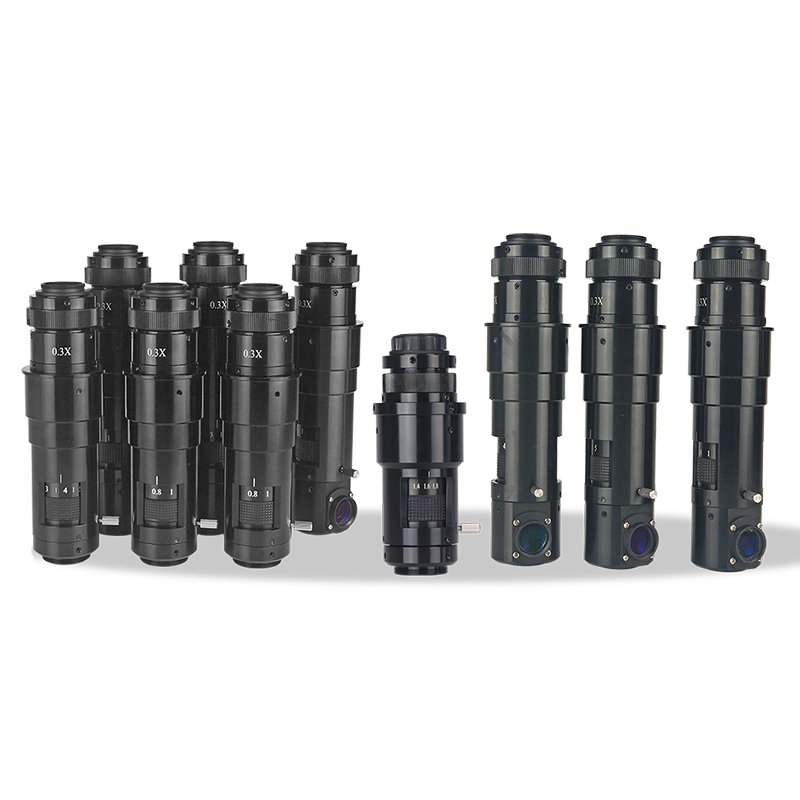
I. Control Methods for Electric Zoom Lenses
Manual Control Manual control is a common method for operating electric zoom lenses, where the zoom function is adjusted using mechanical mechanisms like handwheels or knobs. Although manual control is relatively simple and cost-effective, it has lower precision, making it less suitable for applications requiring high accuracy.
Electric Control Electric control can be achieved through two primary methods: DC motor control and stepper motor control. In DC motor control, a direct current motor adjusts the zoom lens, allowing for variable zoom. Stepper motor control, however, uses stepper motors to control the lens's position with greater accuracy and reliability by manipulating motor steps, speed, and acceleration.
II. Control Process for Electric Zoom Lenses
-
Determine the Control Method Before controlling an electric zoom lens, determine the control method to be used. If manual control, identify the position of the handwheel or knob and the rotation direction. If electric control, choose between DC motor or stepper motor control and set the appropriate control parameters.
-
Connect Control Equipment Connect the control equipment to the electric zoom lens. Ensure compatibility between the controller and the zoom lens and double-check that all connections are correct to avoid issues.
-
Adjust the Focal Length Once the control equipment is connected, adjust the focal length. For manual control, this is done by turning the handwheel or knob. For electric control, use the controller to input commands to adjust the zoom lens's position.
-
Calibration and Testing During the initial setup, calibration and testing are required. For electric control, ensure that the control parameters are set correctly to maintain precision and stability. Additionally, check the power source and signal connections to ensure proper operation.
-
Maintenance and Care After using electric zoom lenses, regular maintenance and care are necessary for long-term stability. Maintenance includes cleaning the lens surface and checking for loose or damaged wires and plugs.
III. Precautions
- For manual control, pay attention to the direction and position of the handwheel or knob to ensure proper operation.
- For electric control, ensure compatibility between the controller and the zoom lens and proper control parameter settings.
- During use, ensure the power source and signal connections are functioning correctly to avoid disruptions in operation.
- During maintenance, focus on cleaning the lens surface and checking for loose or damaged wires and plugs.
- Avoid excessive stretching or impact on the electric zoom lens to prevent damage.
IV. Conclusion
Electric zoom lenses are important industrial devices for achieving zoom functionality. When using electric zoom lenses, determine the control method, connect the control equipment, adjust the focal length, perform calibration and testing, and conduct maintenance. Pay attention to operating procedures and control parameters to ensure stable and reliable operation for the long term.
FALenses Technology specializes in providing machine vision core hardware. You can go to the official website of FALenses Technology at https://www.falenses.com/ for more information.