
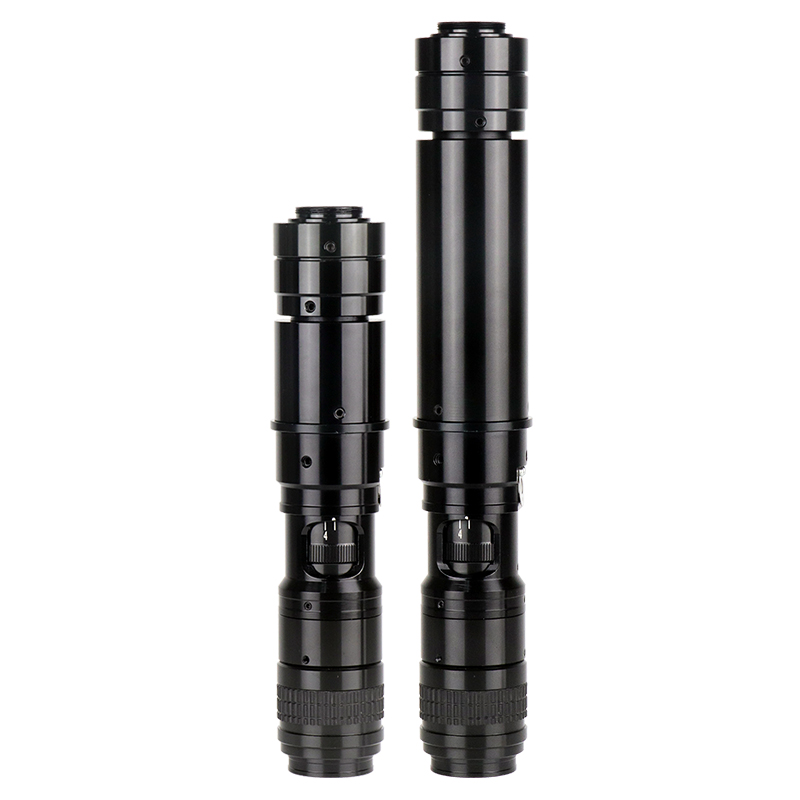
A zoom lens is a type of camera lens that allows the photographer to adjust the focal length by rotating a ring, thereby changing the field of view and the size of the captured scene. These lenses are often used in photography settings that require quick changes in focus, such as sports events, wildlife photography, and more. Zoom lenses come in two types: optical zoom and digital zoom. The former adjusts the focal length by moving lens elements, while the latter achieves zoom through digital manipulation in a digital camera or smartphone application. Although digital zoom can achieve magnification without physical changes to the lens, it generally doesn't match the quality and precision of optical zoom.
Advantages of Zoom Lenses
Zoom lenses allow users to adjust the focal length to change the size of the subject and the field of view. This is particularly useful when photographing distant or close-up objects. With fixed focal length lenses, you'd need to move your position or use different lenses to achieve the desired field of view and subject size. Zoom lenses often feature digital or mechanical controls for easy adjustment of focal length or magnification. Digital controls use electronic components to send signals to the lens to adjust the focal length, while mechanical controls use manual knobs or buttons to move lens elements. Some high-end zoom lenses also include features like autofocus and image stabilization to enhance image quality.
Key Considerations When Using Zoom Lenses
When using zoom lenses in photography, keep the following points in mind:
-
Cost: Zoom lenses are generally more expensive than fixed focal length lenses, so it's essential to consider whether the flexibility justifies the cost.
-
Aperture: The maximum aperture size can change as you adjust the focal length. Smaller apertures can limit your ability to shoot in low-light conditions.
-
Size and Weight: Zoom lenses may be larger and heavier than fixed focal length lenses with similar focal lengths. Consider the lens's portability and comfort when shooting.
-
Image Quality: Be aware of clarity and distortion issues when using zoom functions. Some lenses may exhibit perspective distortion or image warping at the extreme ends of the focal length range, while performing better in the middle ranges.
Conclusion
Zoom lenses are highly versatile tools, providing flexibility and diversity in photography. Before using a zoom lens, it's crucial to understand its strengths and limitations. Consider your specific photography needs and choose the right model accordingly. Properly managed, a zoom lens can significantly enhance your photographic creativity and capability.