
Industrial telecentric lenses are crucial imaging components typically used in conjunction with light sources and cameras to form a complete image acquisition system. When selecting industrial telecentric lenses, several factors must be taken into consideration, based on the system's requirements. Here are key aspects to consider when selecting industrial telecentric lenses:
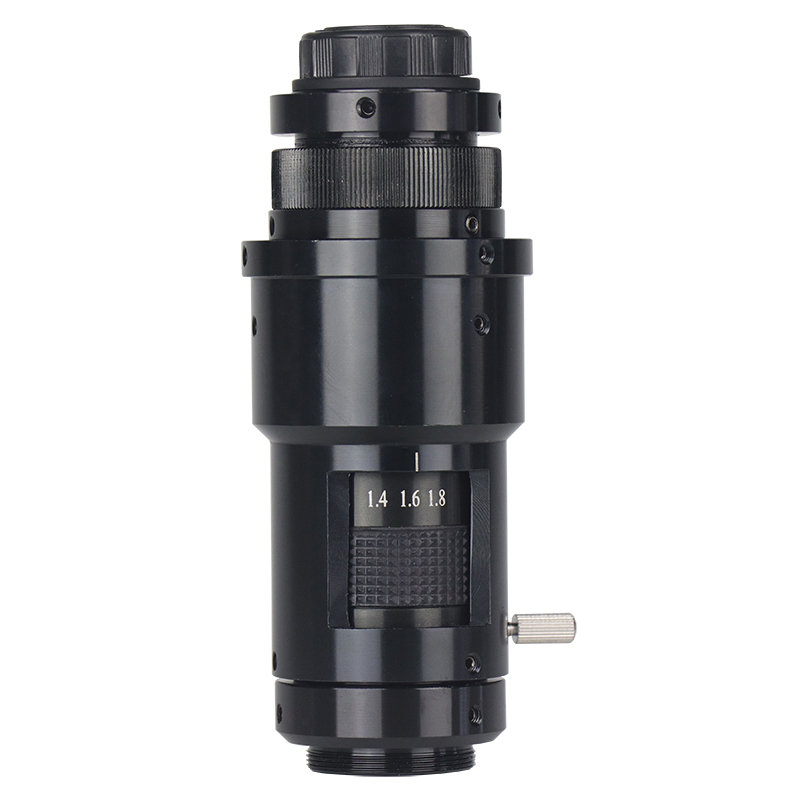
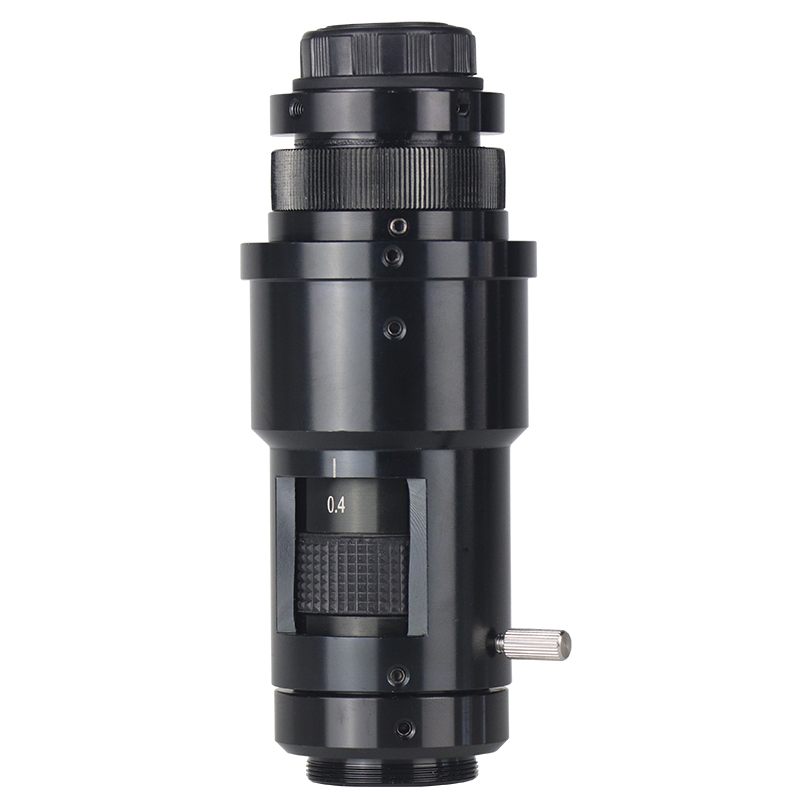
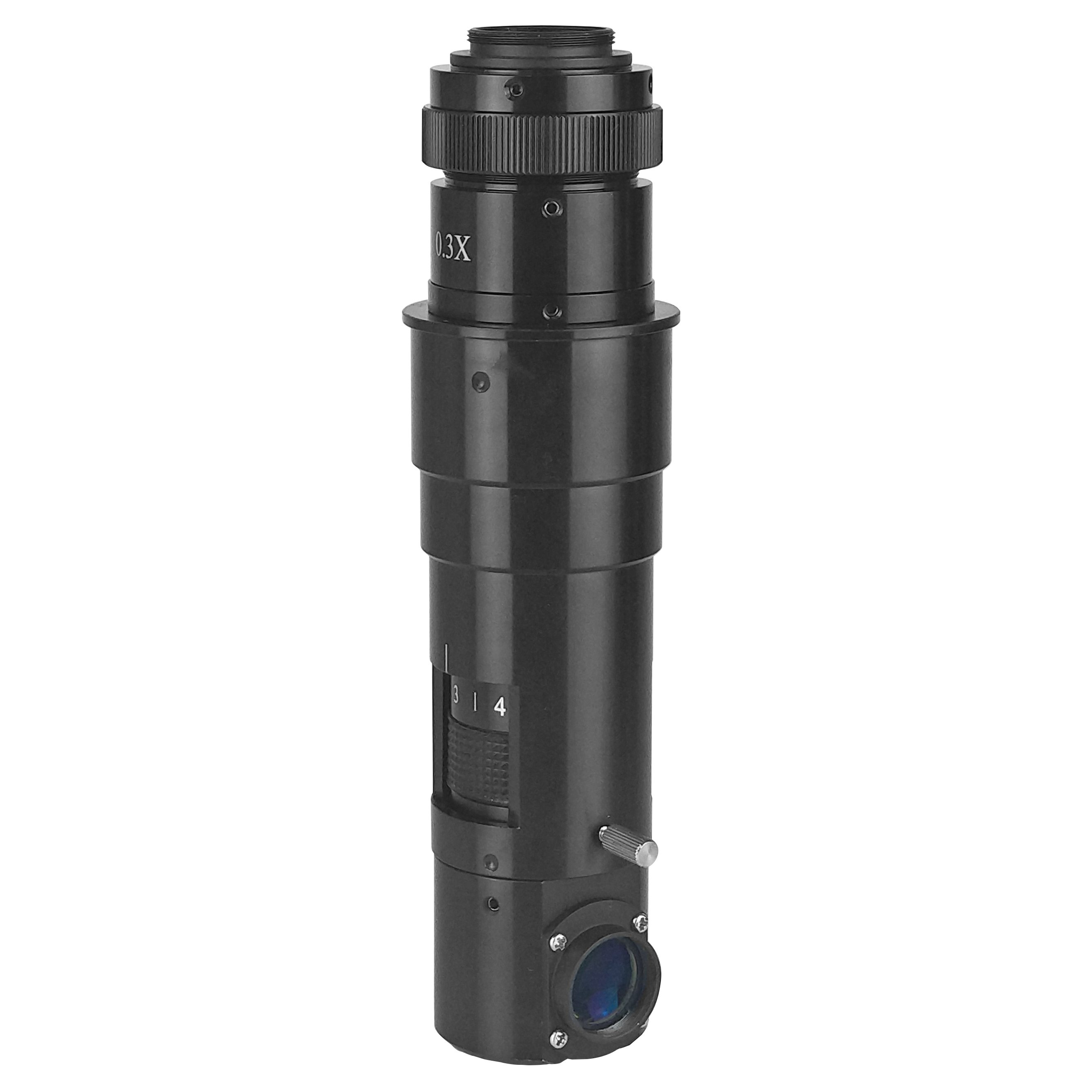
1. Wavelength and Zoom
Determine the working wavelength and whether zoom functionality is needed. In some applications, there might be a need to change the magnification during imaging. Consider whether a zoom lens or a fixed focal length lens is more appropriate for the application.
2. Special Requirements
Identify any special requirements early on, such as whether measurement capabilities are needed, whether a telecentric lens is required, and whether a large depth of field is necessary. Depth of field is often overlooked but is crucial for any imaging system.
3. Working Distance and Focal Length
Working distance and focal length are typically considered together. To determine these parameters, start by defining the system's resolution and combining it with the CCD pixel size to understand the required magnification. Use spatial constraints to estimate the object-image distance, and then estimate the required focal length for the industrial telecentric lens.
4. Image Size and Image Quality
Ensure that the image plane size is compatible with the camera's sensor size. This compatibility ensures that the sensor doesn't exceed the lens's specified image plane size, which would compromise the image quality at the edges.
Image quality is mainly evaluated based on Modulation Transfer Function (MTF) and distortion. Distortion should be minimized, especially in measurement applications.
5. Aperture and Interface
The aperture mainly affects the brightness of the image plane. In machine vision applications, the final image brightness depends on several factors, such as aperture, camera gain, integration time, and light source. Consider the overall system to ensure the necessary image brightness.
The lens interface refers to the connection between the lens and the camera. The interfaces must be compatible; if not, adapter rings or converters might be required.
6. Cost and Technical Maturity
After considering the above factors, if multiple options satisfy the requirements, consider the cost and technical maturity of the lenses to make an optimal choice.
Example Case: Coin Inspection Imaging System
Suppose you need to select an industrial lens for a coin inspection system with the following constraints: a 2/3-inch CCD camera with a pixel size of 4.65μm, C-mount, working distance greater than 200mm, and a system resolution of 0.05mm. The light source is a white LED. Given these constraints, select an industrial telecentric lens that meets the resolution, image quality, and working distance requirements while providing appropriate compatibility with the camera and imaging system.
By considering the key points outlined above, you can select the best industrial telecentric lens for your specific application, ensuring optimal performance and reliability.
FALenses Technology specializes in providing machine vision core hardware. You can go to the official website of FALenses Technology at https://www.falenses.com/ for more information.