
Industrial cameras differ from everyday cameras in several significant ways. Here are the key distinctions:
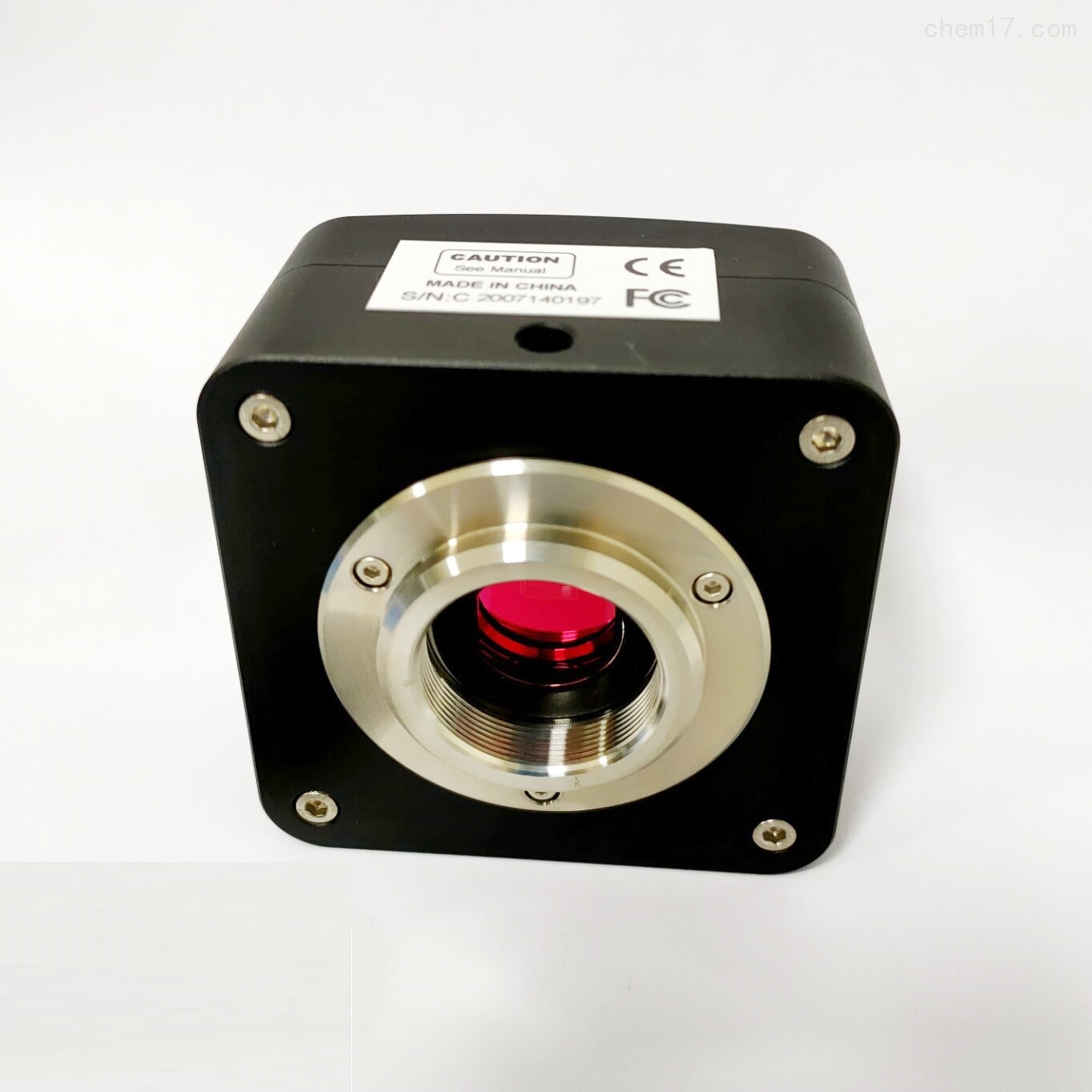
1. Reliability and Durability
Industrial cameras are designed for stable, reliable performance and are often used in industrial environments. They are compact, robust, and can withstand harsh conditions, while everyday cameras are not built to the same standards. Industrial cameras can work continuously for extended periods, which is typically not possible with consumer-grade cameras. For example, using a consumer camera 24 hours a day or continuously for several days would likely result in failure.
2. Fast Shutter Speeds
Industrial cameras offer very short shutter times, allowing them to capture high-speed moving objects. For instance, if you place a business card on a spinning fan blade and use an industrial camera with the appropriate shutter speed, you can capture a clear image where the text on the card is legible. In contrast, consumer cameras typically cannot achieve such fast shutter speeds.
3. High Frame Rates
Industrial cameras have much higher frame rates compared to everyday cameras. Industrial cameras can capture 10 to several hundred frames per second, while consumer cameras typically capture only 2-3 frames per second. This makes industrial cameras suitable for applications requiring rapid image capture.
4. Raw Data Output
Industrial cameras output raw data with a broader spectral range, suitable for high-quality image processing algorithms. Consumer cameras, on the other hand, output images in formats designed for human vision, typically with MJPEG compression. The resulting images have a narrower spectral range and are compressed, making them less suitable for detailed analysis and processing.
5. Cost
Industrial cameras generally have higher performance than consumer cameras, which is reflected in their price. Entry-level industrial cameras typically start from 1,500 to 2,000 RMB, while higher-end industrial cameras can cost over 100,000 RMB. The price range for industrial cameras is significantly broader due to varying performance capabilities.
Conclusion
Industrial cameras are designed for reliability, durability, fast shutter speeds, high frame rates, raw data output, and adaptability to harsh environments. These features make them ideal for industrial applications, while consumer cameras are tailored for casual use with a focus on human visual compatibility. The distinct characteristics and specialized capabilities of industrial cameras account for their higher cost compared to everyday cameras.
FALenses Technology specializes in providing machine vision core hardware. You can go to the official website of FALenses Technology at https://www.falenses.com/ for more information.