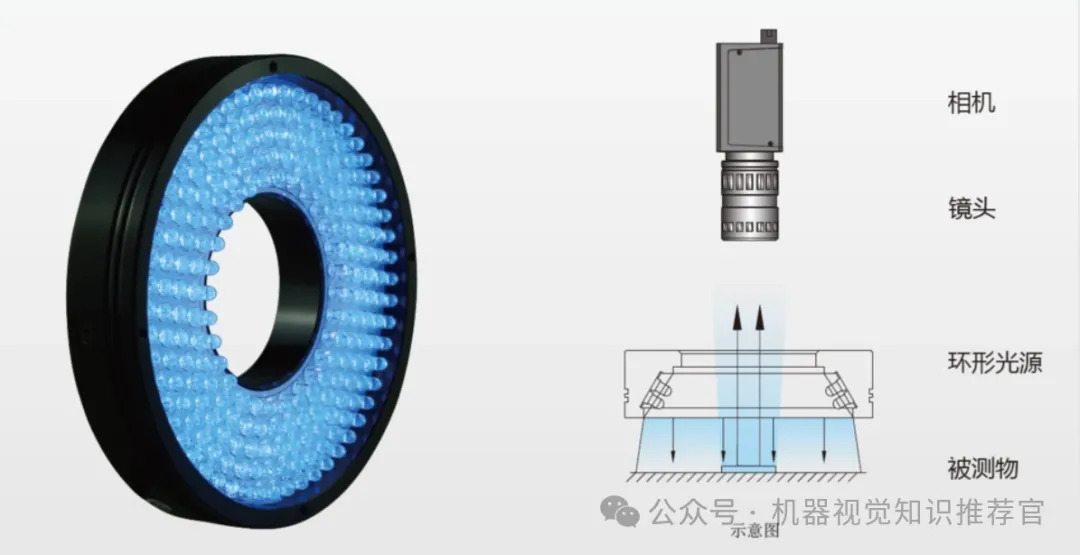
In machine vision systems, lighting plays a key role, affecting the quality of images and the accuracy of analysis. A suitable lighting system can significantly improve image contrast, ensure sufficient brightness, and have low sensitivity to changes in part position. These characteristics help machine vision systems to more accurately identify and process image features.
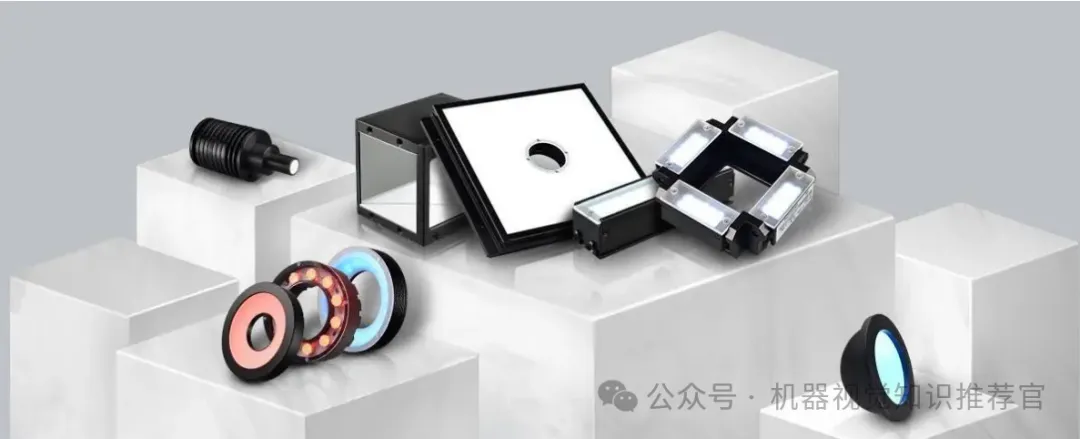
Key Characteristics of Machine Vision Lighting
Contrast enhancement : In machine vision systems, contrast is an important factor in distinguishing the observed object from the background.High contrast means thatthe target features have a significant brightness or color difference from their surroundings, making it easier and more accurate for image processing algorithms to identify these features.For example, when detecting defects on an assembly line,defects such as cracks or scratches can be made more prominent in the image by properly adjusting the intensity and direction of the light source.In addition, using light sources of specific wavelengths can enhance
Bright enough:
Brightness is another key factor affecting image quality. Insufficient brightness will not only make the image darker, but may also introduce noise, making image processing more difficult. Appropriate brightness ensures image clarity and visibility of details, which is especially important in high-speed shooting or low-light environments. In addition, sufficient brightness can reduce the camera's ISO setting and aperture size, thereby reducing noise levels and increasing depth of field, allowing a wider range of objects to remain in focus. When choosing a light source, it is also important to consider the stability of its light output to avoid light intensity fluctuations that affect image continuity.
-
robustness:
The robustness of a lighting system refers to its ability to maintain performance under varying environmental conditions. In real-world applications, machine vision systems may face a variety of challenges, such as changes in the position of parts, varying ambient light conditions, and interfering light sources. A robust lighting system is able to withstand these changes and maintain consistent image quality. This is typically achieved by using multi-angle lighting, uniform light source layout, and the ability to automatically adjust light intensity. For example, by dynamically adjusting lighting intensity and angle, the system can automatically adapt to parts of different sizes and shapes, reducing shadow and reflection issues caused by changes in position or orientation.
Control and application of light source
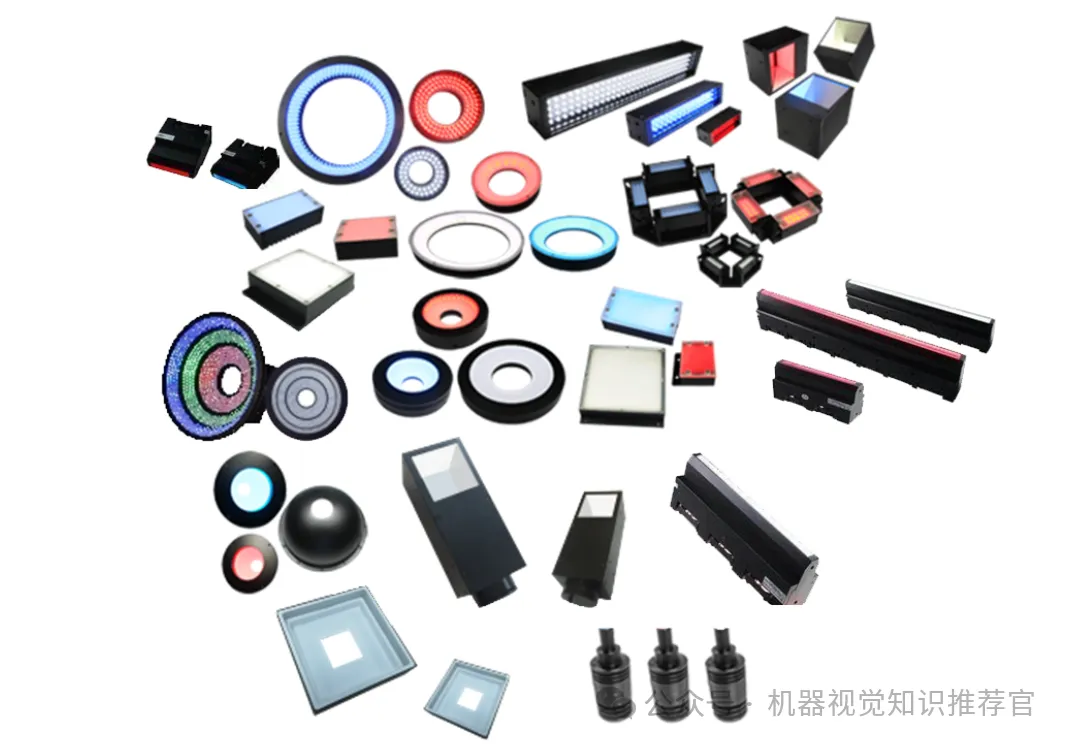
Understanding the predictability of light sources:
-
When designing a lighting system, it is critical to understand and predict how light interacts with surfaces. This includes understanding how different materials absorb, reflect, or scatter light. Simulations and experiments can predict how light behaves under specific conditions, which is essential for selecting the right light source and configuring the lighting system. For example, by using ray tracing software, designers can foresee the effects of light sources at different angles and distances, allowing them to precisely adjust the position of the light source to achieve the desired lighting effect.
-
Controlling the angles of incidence and reflection:
-
Controlling the angle of incidence and reflection of the light source in a machine vision system is critical to image quality. The proper angle of incidence can reduce unwanted reflections and shadows, especially on objects with smooth surfaces or mirror-like properties. For example, using a ring light or angled lighting can reduce mirror reflections, making the details of an object more clearly visible. In addition, adjusting the light source so that the reflected light enters directly into the camera's receiving range can improve the brightness and contrast of the image.
-
Consider the changes on the surface of the object:
The surface texture and shape of an object are important factors in determining the reflection behavior of light. Smooth surfaces such as metal or glass will produce specular reflections, while rough surfaces such as paper or cloth will mainly produce diffuse reflections. For objects with complex surface textures or irregular shapes, using directional light sources or multi-directional lighting can effectively control reflections and shadows, ensuring the uniformity and accuracy of the image. For example, using a diffuse light box or a ring light can provide more uniform lighting and reduce brightness variations caused by uneven surfaces.
Optimize light source position:
Correct light source position is critical to maximize the use of reflected light and improve image contrast. By adjusting the position and angle of the light source, you can manipulate how the light hits the object, affecting the direction and intensity of the reflected light. This not only improves image quality, but also reveals more details through high contrast. For objects with specific geometric shapes, specially designed lighting configurations, such as side lighting or bottom lighting, may be required to ensure that specific features are highlighted correctly.Choice of lighting technology
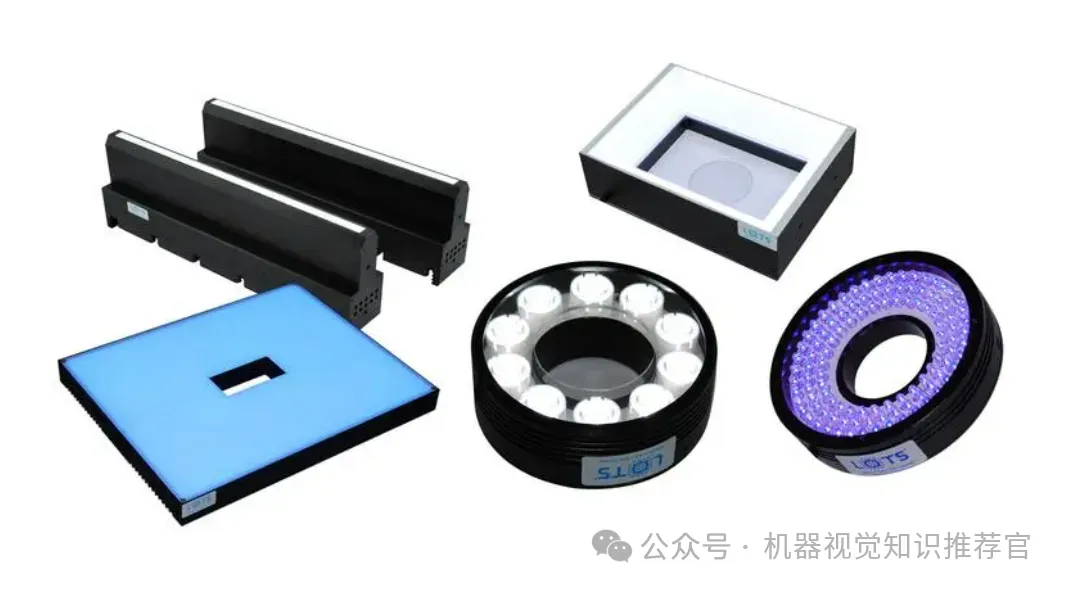
Backlighting: Backlighting creates a bright background by placing a light source behind the object being observed, so that the outline of the object is clearly visible.This lighting technology is very suitable for applications that require precise contour detection, such as detecting the shape of parts in manufacturing or detecting the shape of objects during quality control. Thehigh contrast provided by backlighting makes the edges of objects clearer and easier to identify for image processing algorithms, which is particularly important for dimensional measurement or defect detection.
Coaxial lighting: Coaxial lighting is achieved by placing the light source coaxially with the camera lens, usually using a translucent lens to direct the light from the center of the lens to the object.This setup can reduce or eliminate specular reflections from the surface of the object, especially for shiny or reflective surfaces such as metal, glass or liquids.Coaxial lighting provides very uniform illumination, making the image consistent across the entire field of view, and is very suitable for applications that require high-precision visual inspection, such as printed circuit board inspection or surface defect identification.
Diffuse lighting:
Diffuse lighting can effectively reduce shadows and highlights caused by uneven surfaces or different angles by illuminating objects with light sources from multiple directions or using diffusion materials. This lighting method is suitable for objects with complex or uneven surface textures, such as textiles, stone or textured plastics. Diffuse lighting can enhance the visibility of surface details, making image analysis easier and more accurate, and is particularly suitable for surface quality inspection, such as judging scratches, dents or other surface defects.Physical properties of light sources