
Introduction: Machine vision is widely used in the industrial field. It can help companies improve production efficiency, reduce costs, improve product quality and realize automated production.
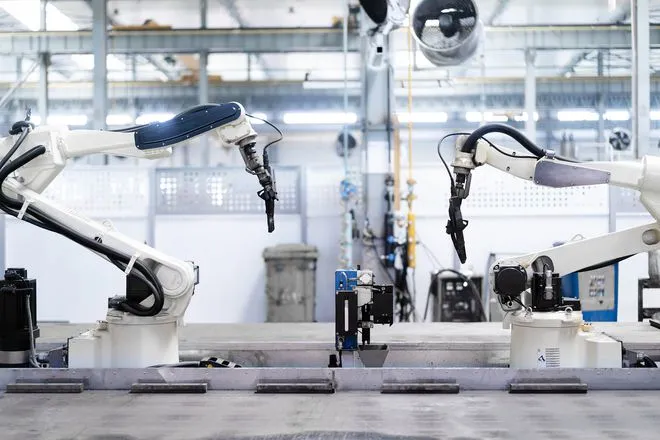
Machine vision is widely used in the industrial field. It can help companies improve production efficiency, reduce costs, improve product quality and realize automated production. This article will introduce several major applications of machine vision in the industrial field in detail.
Quality Control and Testing
Quality control and inspection is one of the core applications of machine vision in the industrial field. Through image recognition technology, products on the production line are inspected and classified in real time to ensure product quality. For example, in the automobile manufacturing industry, machine vision can be used to inspect the appearance of the car body, such as checking paint defects, scratches, etc. At the same time, it can also inspect components such as headlights and tires. In this way, not only can product quality be improved, but also the misjudgment rate of manual inspection can be reduced, saving labor costs.
Smart warehousing and logistics
With the rapid development of the e-commerce industry, warehousing and logistics are becoming more and more important. Machine vision technology can help companies achieve automated management in warehousing and logistics. For example, cameras are installed in the warehouse, and image recognition technology is used to automatically classify and store goods; at the same time, the location and status of goods can be monitored in real time to ensure that the goods can be delivered to the destination on time.
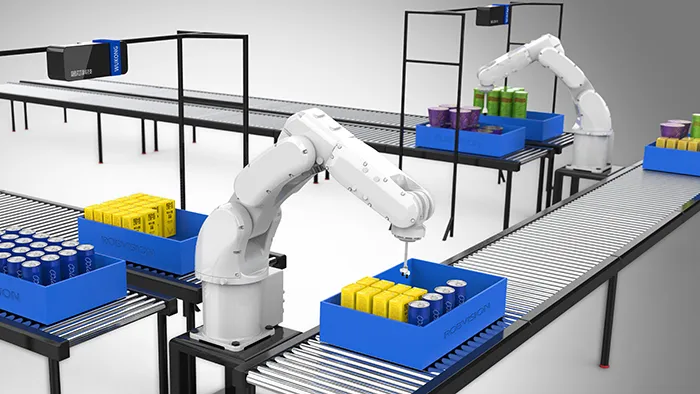
Robot vision navigation
In the manufacturing industry, robots are increasingly being used. In order for robots to autonomously navigate and perform tasks in complex production environments, machine vision technology is needed to achieve visual positioning and path planning for robots. For example, in the automotive manufacturing industry, robots can use machine vision technology to identify workpieces on the production line and complete assembly tasks; at the same time, they can also autonomously adjust the path according to the position and status of the workpiece to improve production efficiency.
Equipment status monitoring and maintenance
In the industrial production process, the normal operation of equipment is crucial to ensure production efficiency. Machine vision technology can help companies achieve real-time monitoring of equipment status and fault diagnosis. For example, in the petrochemical industry, machine vision can be used to monitor the status of pipelines, pumps and valves. By installing cameras and using image recognition technology, the operating status of equipment, such as temperature, pressure, vibration, etc., can be detected in real time; at the same time, signs of equipment failure, such as leakage, wear, etc., can also be identified. In this way, companies can detect equipment problems in a timely manner and perform maintenance to avoid production interruptions and equipment damage.
Data collection and analysis
Machine vision technology can help companies achieve digital management of the production process. By installing cameras on the production line and using image recognition technology to collect and analyze production data, companies can understand key indicators in the production process in real time, such as output, quality, energy consumption, etc. At the same time, they can also optimize the production process, improve production efficiency and reduce costs through data analysis. For example, in the electronics manufacturing industry, machine vision can be used to count and classify products on the production line to achieve product traceability and management.
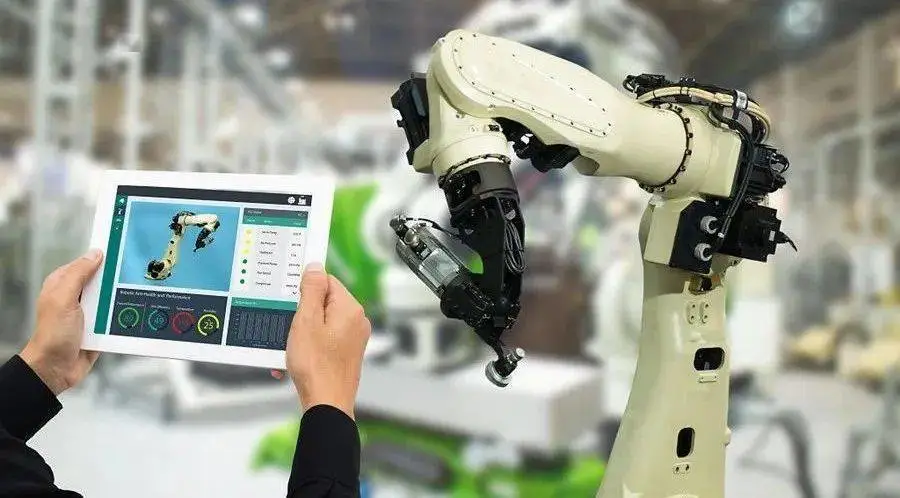
Smart Security
With the continuous development of industrial production, safety issues are receiving more and more attention. Machine vision technology can help enterprises achieve intelligent security at the production site. For example, in the petrochemical industry, machine vision can be used to monitor and alarm the production area. By installing cameras and using image recognition technology to detect the production area in real time, when an abnormal situation occurs, the system will automatically issue an alarm and notify relevant personnel to take measures. In this way, not only can production safety be guaranteed, but the possibility of accidents can also be effectively reduced.
In addition to the applications mentioned above, machine vision technology can also play an important role in the industrial field. For example, in the aerospace field, machine vision can be used to inspect and repair aircraft and rockets; in the medical industry, machine vision can be used to analyze and diagnose image data; in the energy field, machine vision can be used to monitor the status of equipment and diagnose faults, etc.
In addition, with the continuous development of artificial intelligence technology, machine vision technology is also constantly evolving and innovating. For example, the application of deep learning technology enables machine vision systems to better perform image recognition and classification tasks; the application of augmented reality technology enables machine vision systems to combine virtual information with the real world. The application of these new technologies will further expand the application scope and value of machine vision in the industrial field.
In short, machine vision technology is widely used in the industrial field. It can help companies improve production efficiency, reduce costs, improve product quality and realize automated production. With the continuous advancement and development of technology, I believe that the application of machine vision in the industrial field will become more and more extensive, bringing more value and opportunities to companies.